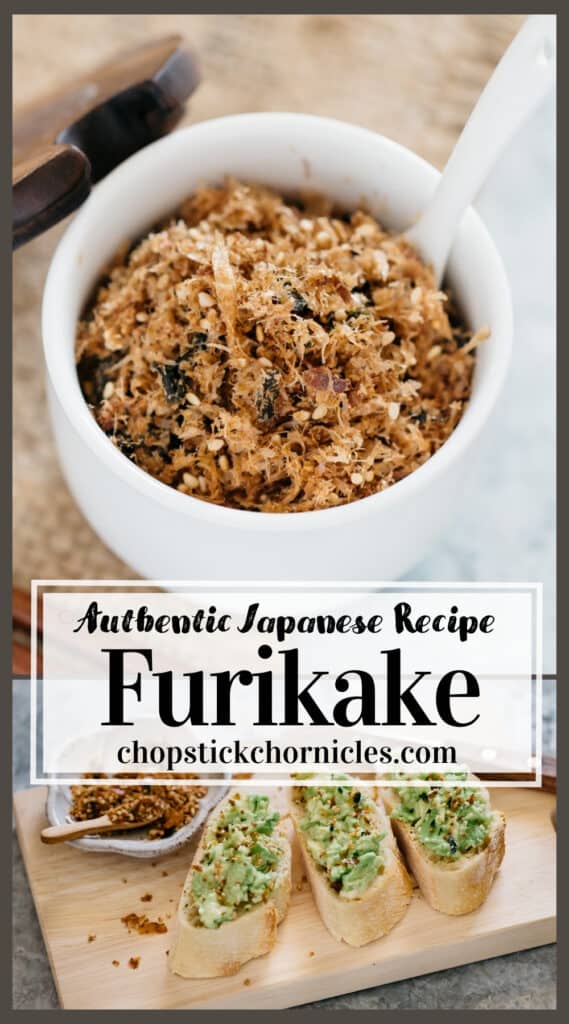
Have you ever had a bowl of sushi rice that was seasoned deliciously with bonito flakes, nori, sake, and soy sauce and thought to yourself, “What is that delicious seasoning?”? It’s Furikake! Learn everything you ever wanted to know about Japanese furikake seasoning in this post- what it is, how furikake rice seasoning is made, how to store it – and more!
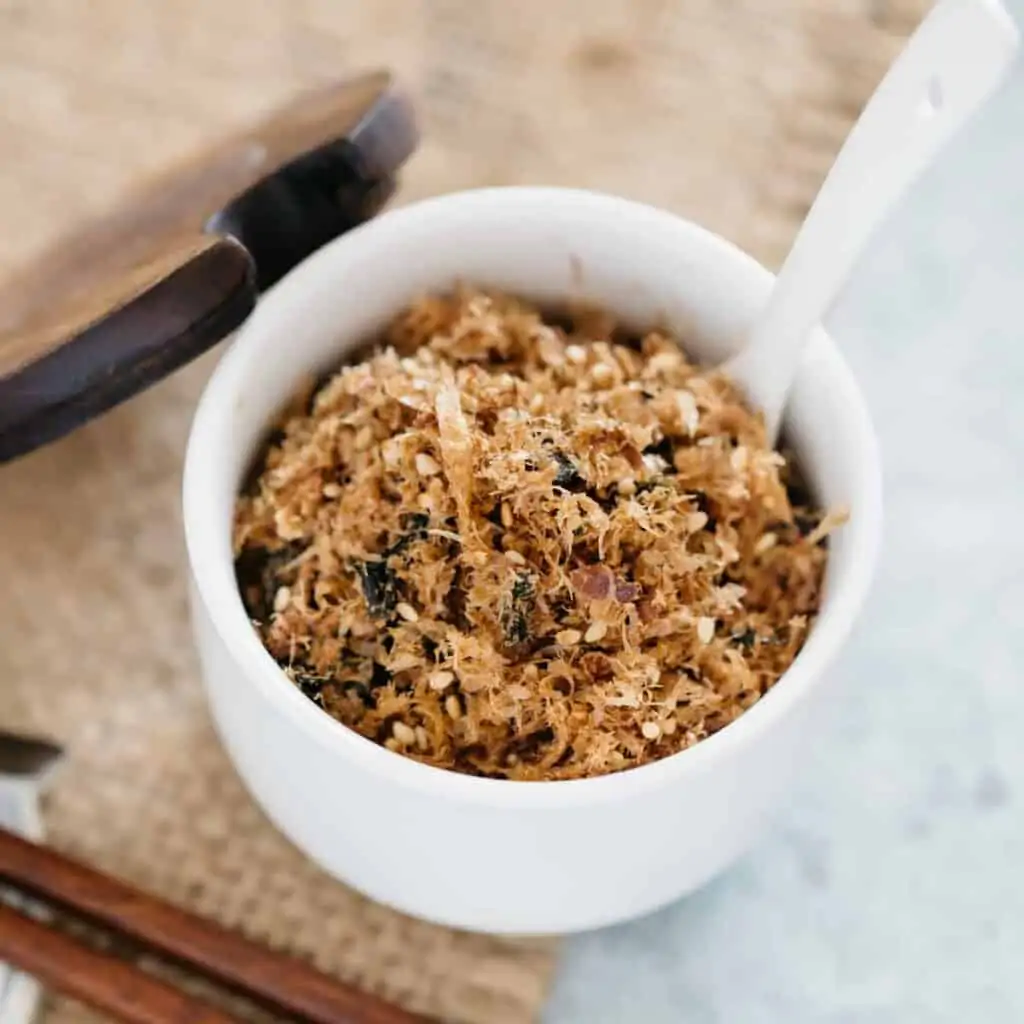
Furikake is a tasty rice seasoning that is sprinkled over steamed rice. Japanese people love this seasoning because it gives plain sushi rice a delicious umami flavor! You can easily buy packets of furikake in Japan with a variety of different interesting flavors; ranging from salmon to wasabi and even egg.
If you can’t buy it or aren’t able to find it locally, then don’t worry! There’s good news. You can actually make this furikake seasoning right at home yourself and I am going to show you how.
Why You Will Love Learning How To Make Furikake Seasoning Recipe
This classic Japanese seasoning is incredibly versatile. You will love how many different ways you can use it!
This seasoning is aromatic and has a perfectly salty taste to it. Some people go crazy about Everything Bagel seasoning, but they must not have tried this furikake – it’s way better!
Plus, it’s so easy to make and it helps you reduce your food waste.
In today’s post, not only will I share how to make this recipe, but I will also answer all of your questions, such as:
- What types of furikake are there?
- Where can I buy furikake seasoning and the ingredients?
- How can I use this Japanese seasoning in some of my favorite recipes?
Keep reading and learn more about the ingredients I used, any substitutions you can make, and some of my favorite recipes using furikake seasoning!

What Is Furikake?
Furikake is a crunchy salty seasoning, thanks to bonito flakes and seaweed nori. It also has a yummy nutty flavor from the sesame seeds mixed in. This is typically sprinkled over rice to add flavor and texture.
The name ‘furikake’ is derived from the verb ‘furiakakeru’ which means ‘to sprinkle’ in English. So, furikake is a noun that literally means something that is sprinkled over cooked rice.
Japanese Koshihikari rice is so delicious on its own but sprinkling with this Japanese rice seasoning brings it to the next level. I could easily just eat this as a meal because it’s delicious. I am not exaggerating!


Ingredients Need To Make Furikake Seasoning
So, this seasoning mix is usually made with toasted sesame seeds, nori, salt, and sugar. I’ll explain more in the next section about all the different seasoning varieties because it really does change depending on which region of Japan you are in.
Here is a bit more information about the ingredients I used:
- Bonito Flakes – When you make dashi stock, keep the leftover bonito flakes and use them in this seasoning.
- Sugar – I used white granular sugar.
- Sake – This gives it the best aroma and a little bit of a bite too.
- Soy Sauce – This is for the umami flavor!
- White Sesame Seeds – These are very important and are in almost every furikake recipe you will find.
- Seasoned Seaweed Sheets – My favorite is Nori, but use your favorite type of seasoned seaweed here.

Frequently Asked Questions About Furikake
NO, it is not gluten-free if bought from the store. But, you can make your homemade furikake gluten-free. Lucky for you, this recipe is pretty adaptable!
The soy sauce can be swapped out for some tamari sauce or liquid coconut aminos. Sake is typically gluten-free as sake is made of rice but I recommend always double-checking the label.
The rest of the ingredients are gluten-free!
Furikake used to be thought of as something for kids to enhance plain rice and make it more fun. The notion of furikake being kids’ food is no longer true. They are marketing for adults nowadays also!
Flavors of rice seasonings catering to suit adults include sansho (Japanese pepper) and wasabi. Classic and common flavors are katsuo (bonito flake), and noritama (nori seaweed and tamago). There is sake/shake (salmon) and tarako (cod roe) too, which are my family’s favorites.
Note: Furikake typically does not have any shellfish, shrimp, or nuts so it should be okay for people with those allergies!
Most are not as they contain some type of fish or egg product. However, your homemade version can be made vegan if needed!
The ingredients used in furikake are not unhealthy. But, you should be careful not to overuse it. It does have a lot of salt in it from the soy sauce and the seasoned seaweed. People who are monitoring their cholesterol levels should know that this is a very salty seasoning.
Some furikake may contain msg but furikake is evolving and there are now many msg and preservative-free options. Look for “化学調味料無添加” as that means no msg, no preservative added.
I have never heard or seen anything of this before about any furikake from Japan or homemade ones containing lead. Chances are that if you buy furikake seasoning, it might come with a lead warning on the label. This is because there is a chance the seaweed might have been contaminated by a small amount of lead from the ocean.
This is why I always prefer to make my own! I know exactly what is in my seasoning.
Nowadays, furikake can be bought from many places such as:
– Asian grocery stores
– Online
– Daiso stores
– And, even in regular supermarkets here in Australia.
If you are in the USA, then you can purchase them at Trader Joes!
How To Properly Store Furikake Rice Seasoning
Furikake can expire and spoil eventually, but it does last a while.
If using prebought seasoning, check the packaging for the expiration date but be mindful that this is the date prior to opening the packet. Once opened, store it in the fridge. Generally, you should eat it within a month or so.
Now, with homemade furikake, it will also not last as long as store-bought versions so eat this hastily as well.
To store it:
- Once your homemade furikake has cooled down, stock them in an airtight container.
- Try to eat it within 3-4 days.
- If you can’t, it stores in the fridge for this length of time. Or, you can freeze store-bought and homemade furikake for up to a month.
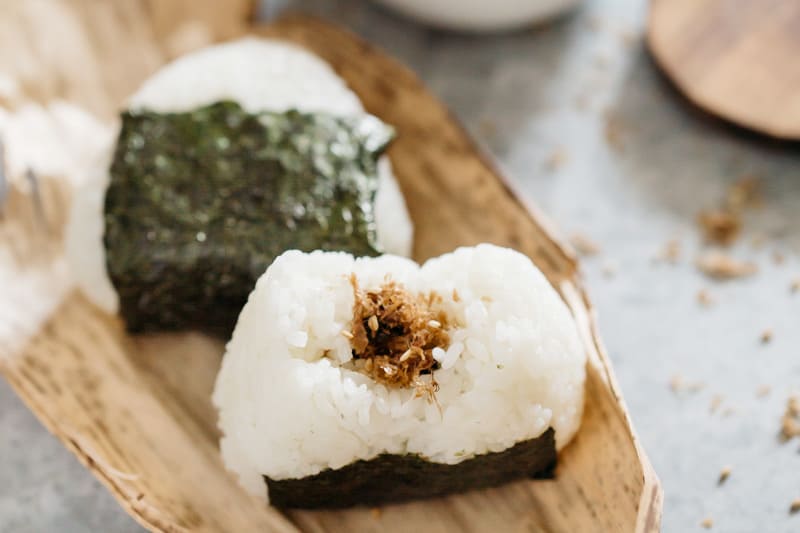
How To Use Furikake In Japanese Recipes
There are SO many different ways to use furikake in your favorite recipes. I’ve see people sprinkle it over fries and even toast! Furikake is not just for seasoning rice.
We love almost anything with the seasoning because it is so versatile. You can use it in:
- Onigiri rice ball filling
- Yaki udon
- Yaki soba
- Okonomiyaki
- Takoyaki toppings
You can also mix it into Tamagoyaki (Japanese rolled egg)!
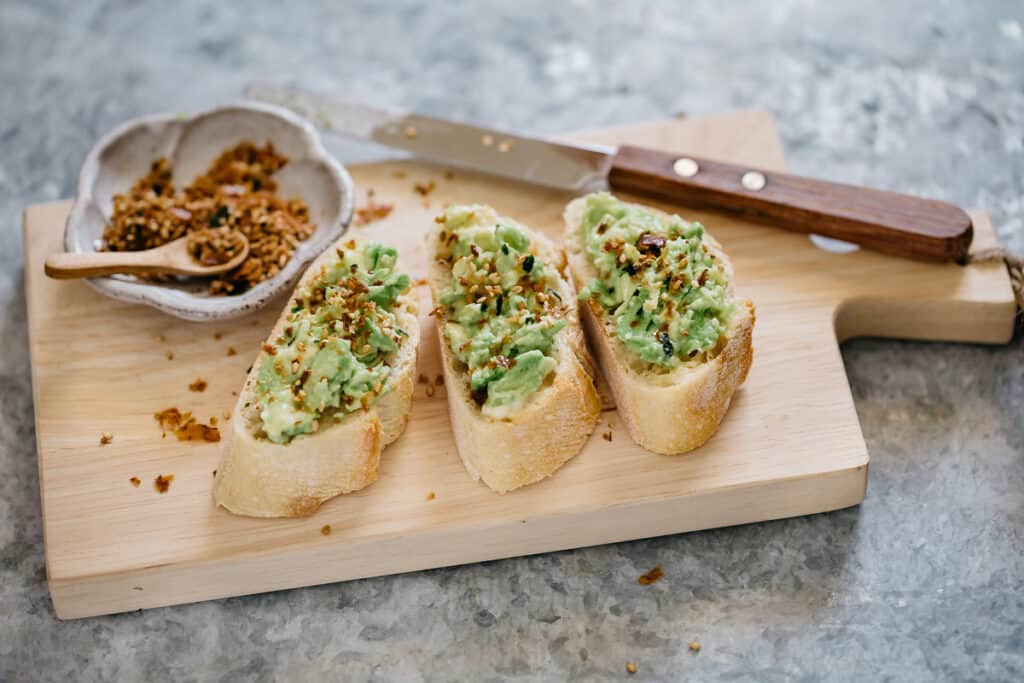
Let your creativity run wild and let me know if you find a new way to use Furikake. Japanese people have not thought of every possible use for this seasoning. If you think of another great use, leave a comment below.
Related Japanese Recipes
- Japanese Cucumber Salad (Cucumber Sunomono)
- Pickled Daikon (Tsukemono)
- 5 Essential Japanese Seasonings And Condiments
- Katsuo Dashi (Bonito Dashi)
- Awase Dashi
- The Complete Guide To Dashi
Stay Connected
Hope you like this bonito flake recycled homemade Furikake recipe. If you liked the recipe, please rate it and leave a comment below. Also, don’t forget to follow me on Youtube, Pinterest, Facebook, Twitter, and Instagram. This way you keep up to date with all the latest happenings on Chopstick Chronicles. Don’t forget to use the hashtag #ChopstickChronicles so I can see your wonderful creations!

Furikake ふりかけ
Video
Ingredients
- 50 g Leftover Bonito Flake *1
- 1 tbsp sugar natural sweetener
- 1 tbsp sake *2
- 1 tbsp soy sauce
- 2 tbsp white sesame seeds
- 3 g seasoned seaweed sheets ajitsuke nori *3
Instructions
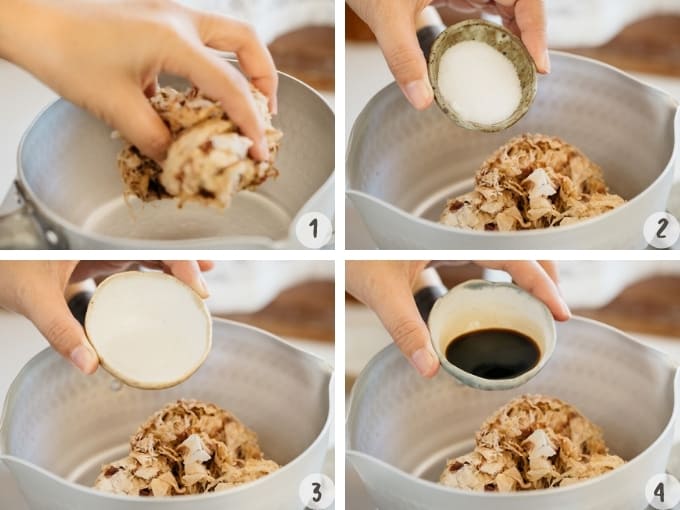
- Place leftover bonito flakes from making Dashi stock *1 in a saucepan.
- Add sugar, sake and soy sauce into the saucepan and cook them all together over low to medium heat.
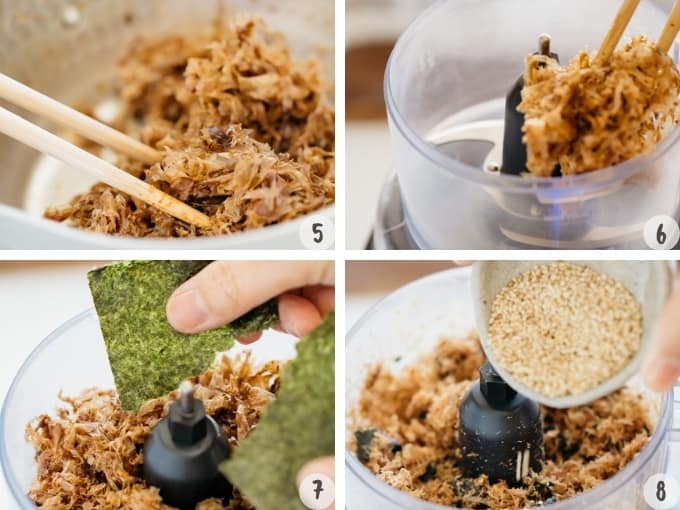
- Stir continuously with a pair of chopsticks until all liquid evaporates.
- Once all liquid has evaporated, turn the heat off.
- Place the bonito flakes into a food processor and add nori sheets by tearing into small pieces.
- Blitz the food processor for about one minute and add white sesame seeds and pulse to combine them all together.
- Remove the furikake into a airtight container or serving bowl.
- Serve Furikake over warm rice.





What does this mean? “It stores in the fridge for this length of time.” What length of time? (From your paragraph “To Store It”)
Hi Judy, Thank you for reaching out and sorry for your confusion. I meant 3-4 days.
This was so good and I can’t wait to try it again. I made it with your sushi rice and it was a wonderful combination.
Thank you Ryan 😀
Amazon sells a variety package as well as individual jars.
This was delicious! I made some to add to onigiri and to eat with rice for a quick light snack/side. Thanks for the recipe, it’s a keeper 🙂
Hi Amanda, I am glad that this recipe worked for you and you liked it 😀
Hi,
thanks for the recipe. A question- when the bonito flakes go into the food processor are they still wet? do you have to dry the mizture? (i am only familiar with storebought)
thanks Claudia
Hi Claudia, yes they are wet 😀
Hi!
I made your overnight dashi with Kombu and bonito flakes, what can I do with the Kombu? Can it be used in this recipe?
Hi Clarie, using leftover kombu recipe is in the post.
No it is not… this is the first mention of the Kombu on this entire page.
Fyi. The warning label on JFC Sato fumi furikake rice seasoning says consuming can expose to chemicals including lead and lead compounds.
Hi May thank you for your information. That’s why you make your own with this recipe 😀
Thanks for such an informative site! I love your recipes.
I was really excited to make this one as I haven’t been able to find gluten-free furikake. I have a few questions, though…
I made Dashi using your overnight Dashi – is that the correct amount of bonito flakes to use for this recipe? I wasn’t sure about quantities since the bonito weight changes depending on how well you strain it. How many grams of dried shitake should I have used to make the bonito-mushroom dashi?
How long did it take for the liquid to evaporate? Should it still look a bit greasy? Your finished seasoning looks quite pale, should the bonito flakes change colour as they cook? Did you cool the flakes before or after processing?
Sorry for all the questions!
Hi Cee-jay, Thank you. Yes Bonito flakes are light weight and it is the correct amount. I don’t weigh dried mushrooms but I would add 3-5. The time the liquid evaporate depending on how much heat you are using so I can’t specifically say how long. Bonito flakes does change the colour and yes I cooled before processing.
Never throw your spent kombu or fish flakes away~!
Kombu/kelps and fish flakes make great fertilizers for all your plants (indoor + outdoor).
Soak them in the water and use that to water your plants.
When done, bury the kelp and the fish flakes in the soil near your plant.
It will not burn your plants like some fertilizers can and your plants will love it~!
Hi Janice, I don’t throw any food. I eat them all 😀 LOL.
I love using furikake on numerous occasions like with popcorn, over buttered pasta, with plain Greek yoghurt (prefer salty to sweet) or simply to replace salt and pepper on many thing like a mirror egg, etc… 😋
Great Ideas! Thank you Pitchat 😀
The flavors this recipe adds were great! Thanks for the great idea
You are welcome Noelle 😀
What a great, unique recipe to share with my family! I love that it can make leftovers and be customized too!
Thank you Kalee 😀
I’m always looking for ways to dress up a boring rice recipe, and this looks like the perfect way to do it!
Hi Talyer 😀 Yes, no more boring rice!
This is fabulous! I love the concept of reducing waste with this recipe – delish!
wow great seasoning combination!
thank you! 😀
This is fantastic! I love furikake, but I’ve never made my own. And homemade is always better so I can’t wait to make this! Beautiful pictures too!
Thank you Kathleen <3