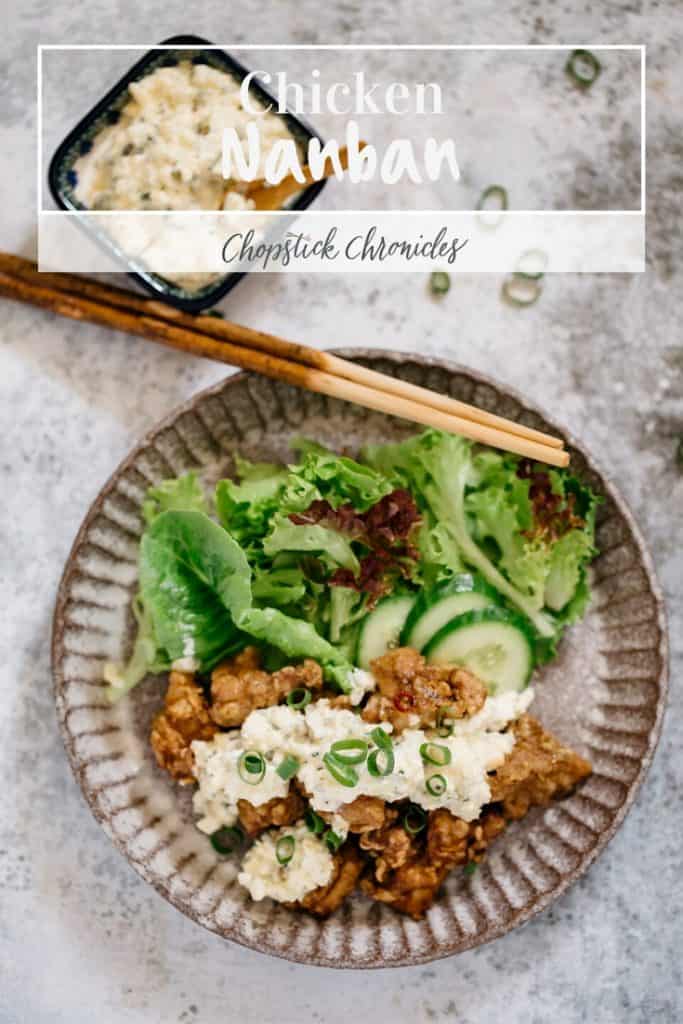


This makes for a perfect meal or snack for the kids. Chicken Nanban is a Kyūsyū region take on the popular Japanese fried chicken “Karaage”. It is a delicious version and an easy authentic Japanese recipe. Why not try it one night with the family instead of KFC?

What is Chicken Nanban?
Chicken Nanban originated in the Miyazaki prefecture in Kyusu Island. Succulent and juicy Karaage chicken soaked in sweet and sour Nanban sauce topped with delicious tartar sauce! No wonder this is the most popular fried chicken dish in Japan.

Why is it called Nanban?
The term “Nanban” was originally used in China which means “Southern Barbarians”. However, in Japan Nanban referred to something foreign and desirable, especially from Europe. In the Muromachi and Edo periods, many merchants and missionaries arrived in Kyushu island from European countries such as Portugal and Spain. They brought not only goods to sell and Christianity but also foods such as Tempura and Castella.

Chicken Nanban vs Karaage
There are many different Karaage recipes. To make Chicken Nanban, we need to make Karaage first. I have shared a Karaage recipe passed down from my mother previously, which uses potato starch for coating, though the Karaage recipe to make Chicken Nanban is a bit different.

How to make Karaage for this?
We need to marinate the chicken meat with soy sauce and sake then mix it with an egg and flour so that when it is deep-fried the Karaage is crispy and fluffy. It soaks up delicious sweet and sour Nanban sauce better also. Then it is topped with tartar sauce made with delicious Japanese mayonnaise.
Which Part of Chicken Should I Use?
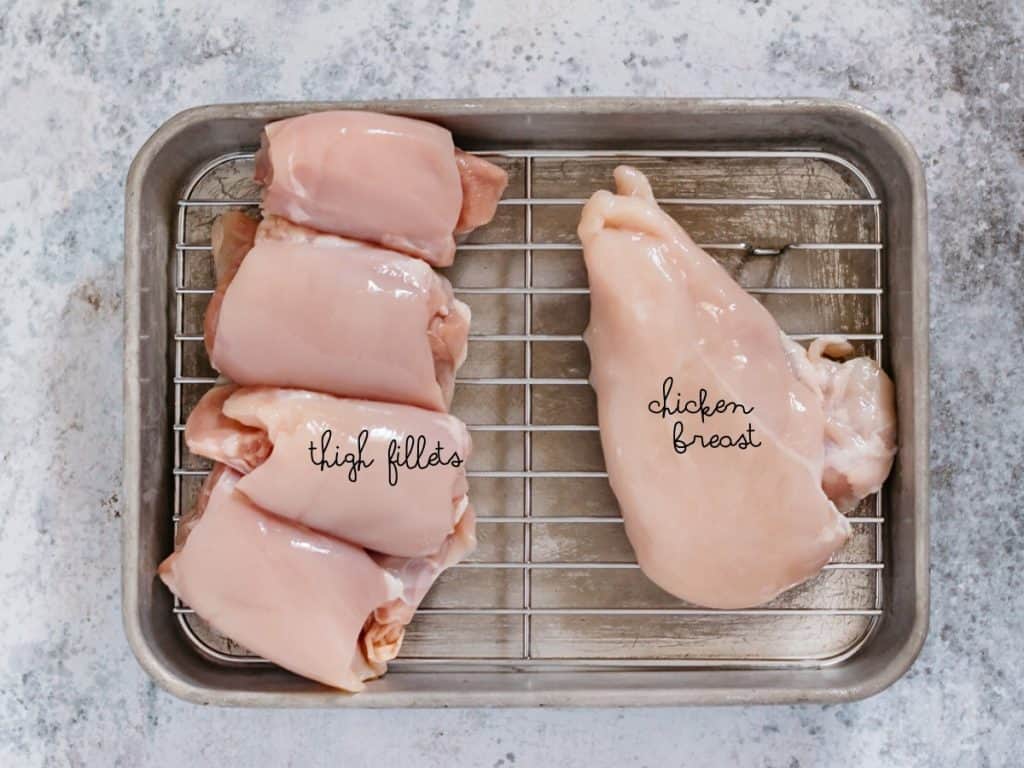
I prefer using chicken thighs because they have got more flavour than breasts. Also, chicken breasts tend to get drier than thighs. However, for this chicken Nanban recipe, the chicken pieces will be dipped in Nanban sauce and then topped with tartar sauce, so the moisture will be intact.
Now for the simple Nanban Sauce.
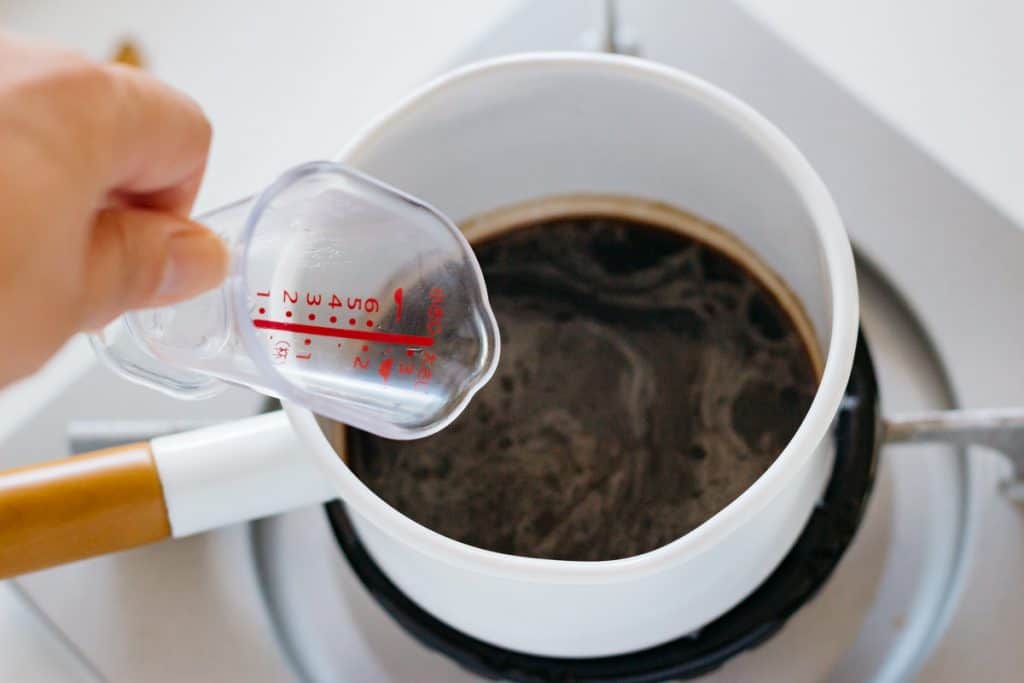
Nanban sauce is a sweet and sour sauce with dry chilli called “Takanotsume” and sliced onions. Nanban sauces vary but I make it simple and use only 4 ingredients. One important tip to make this sauce is to add vinegar at the end-stage. This is so the sauce will not lose the acidity of the vinegar as it evaporates with the heat.
How to make Tartar sauce?
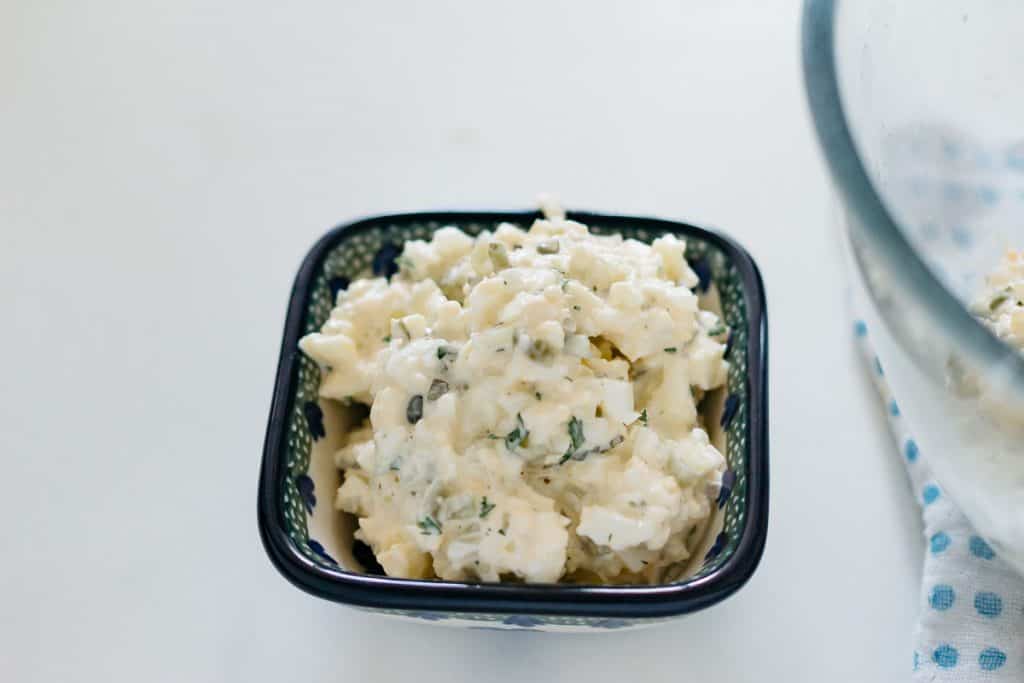
In a previous post, I have shared the Japanese way of making tartar sauce. There are many different versions of Tartar sauce out there. The base of the sauce consists of either mayonnaise or aioli. I use Japanese mayonnaise, gherkins, onions and add shiso leaves to enhance the flavour of the sauce. I have not put this into the recipe card here. To learn how to make the Tartar sauce, click on the link above.
Stay Connected
Hope you enjoy making this Japanese regional speciality dish and if you like the recipe please leave comments below and rate the recipe.

If you like the recipe please rate the recipe and leave comments below. Also don’t forget to follow me on Youtube, Pinterest, Facebook, Twitter and Instagram. This way you keep up to date with all the latest happenings on Chopstick Chronicles. Don’t forget to Sign up for a weekly newsletter so you never miss out on new authentic delicious Japanese recipes!

Chicken Nanban チキン南蛮
Video
Ingredients
- 1lb/500g Chicken thighs *1
- 1 tbs soy sauce
- 1 tbs sake *2
- 1 egg
- 1/3 cup All purpose flour
- 2cups/500ml oil for deep fry *3
Nanban Sauce
- 1 tbs soy sauce
- 2 tbs sugar
- 2 tbs Japanese rice vinegar
- 1 birds eye chilli called "Takanotsume" *4
Tartar sauce *5
Instructions
Make Tartar sauce and set aside *5
Making Nanban sauce
- Combine all Nanban sauce ingredients except rice vinegar in a small saucepan, bring to boil
- Add the rice vinegar and turn the heat off and set aside. *6
Cooking chicken thigh
- Place the thigh meat on a chopping board, remove excess fat, and cut them to bite size pieces.
- Marinate in soy sauce and sake in a bowl for about 20 minutes.
- Add egg and flour to the bowl and mix them well to coat the chicken pieces.
- Heat oil in a frying pan to 356°F/180°C. *7
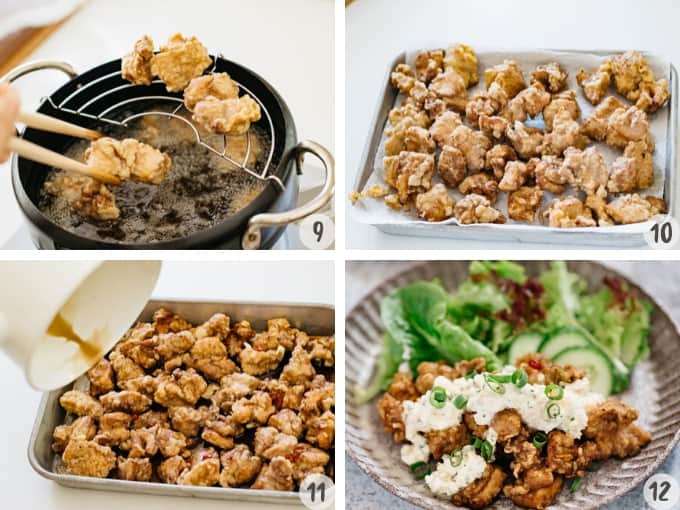
- Slide the egg mixture coated chicken thighs in the pan and deep fry until golden brown. *8
- Soak the deep fried chicken briefly in the Nanban sauce and serve it with some tartar sauce drizzled over it.




Hi Shihoko
Do you have any tips on where in Brisbane I could get Shiso leaves (or even better, a plant)?
Many thanks
Michael
Hi Michael, Genki mart (they have three shops, one in the city, one in Alderley and another in Salisbury?) and Fuji mart in Buranda shsopping complex in front of PA hospital, they sometimes have 10 leaves in a small plastic sleeve. I grew mine in my backyard and bought from a Japanese lady lives in Sunshine Coast. She has a shop in Facebook marketplace. If I can find the page, I will send you a link to your email address 😀
I am really loving the website as I have now attempted a couple of recipes.
The one question I have about the Nanban chicken, does it need to be deep fryed ? Can it be placed into a pan with a small amount of oil until cooked ? Might be a silly question just wondering if it will give it the same authentic taste.
Hi Phil thank you for your compliment 😀 , how much amount of oil are you thinking of? like 1 tbs? or the amount the chicken would be dipped half? If smaller amount of oil( like chicken would be dipped in half) is used, it will be same taste but I think the amount of oil absorbed will be similar.
Hello,
is it one or two eggs that goes with the flour and marinated chicken?
I am doing your recipe tonight, i will try with one egg 😉
Yes Julien One egg 😀
I cooked it tonight and it came out very tasty. I served it with sliced avocado and baked sweet potatoes.
That’s great Catherine 😀
Im going to try this soon! I just got back from Miyazaki and ate Chicken Nanban almost everyday lol.
Hi Chris 😀 Lucky you ate this everyday in Miyazaki! I recon this is next level of Karaage but many people don’t know yet.
This recipe is so good! I had to order some Japanese Mayonnaise, but I finally made this today. It’s taste exactly like the Chicken Nanban my friend made for me in Miyazaki.
Thank you so much!!!
Great 😀 I am glad to know that this Chicken Nanban bring back your memory in Japan 😀
so tasty and yum!
thank you :3
Hi!
Can I just check, for the tartare sauce, is it one hard boiled egg or two?
Hi Charlie, sorry for the delayed reply. For the Tartare sauce, 2 boiled eggs 😀
Hi……can you teach me how to make the Nanban sauce? I don’t think I can get it here at my local store.
Hi Angie, the Nanban sacue recipe is in the post. You just need to combine all the sauce ingredients. Do you mean that you can not get the ingredients?
I think their problem is that you didn’t specify exactly what ingredients go into the Nanban sauce, which makes it a little more difficult to know what goes into making the sauce. If you separate the ingredient list into different categories for the different parts (such as Tartar sauce ingredients, and Nanban Sauce ingredients) it may be easier to follow.
Hi M, Thank you for your feedback on the recipe 😀
It says nanban sauce in the recipe. Just combine it.
x.x