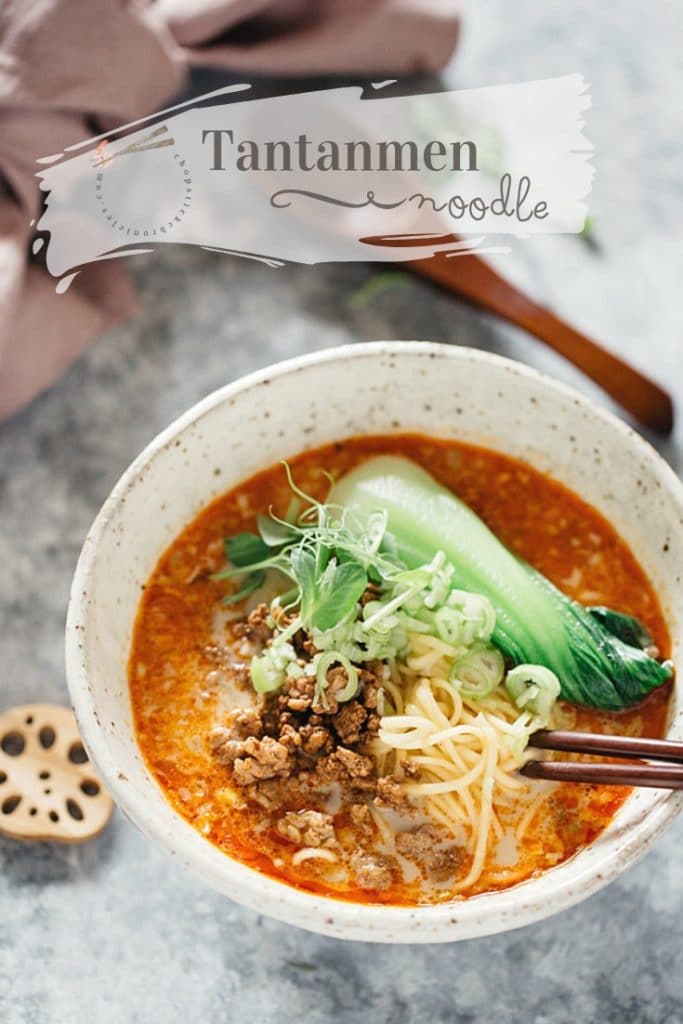
Tantanmen(担々麺)is the Japanese take on Sichuan Dan Dan noodles. In this dish, yummy ramen noodles are swimming in a deliciously balanced soup with hot spiciness from rayu Japanese chili oil and a melow nutty sweetness from soy milk and sesame paste.

What is Tantanmen?
Tantanmen is the Japanese version of Sichuan Dan Dan noodle. Dan dan noodle does not come with soup but Tantanmen comes with spicy chili flavoured soup. Both come with miso pork mince and flavoured with chilli.
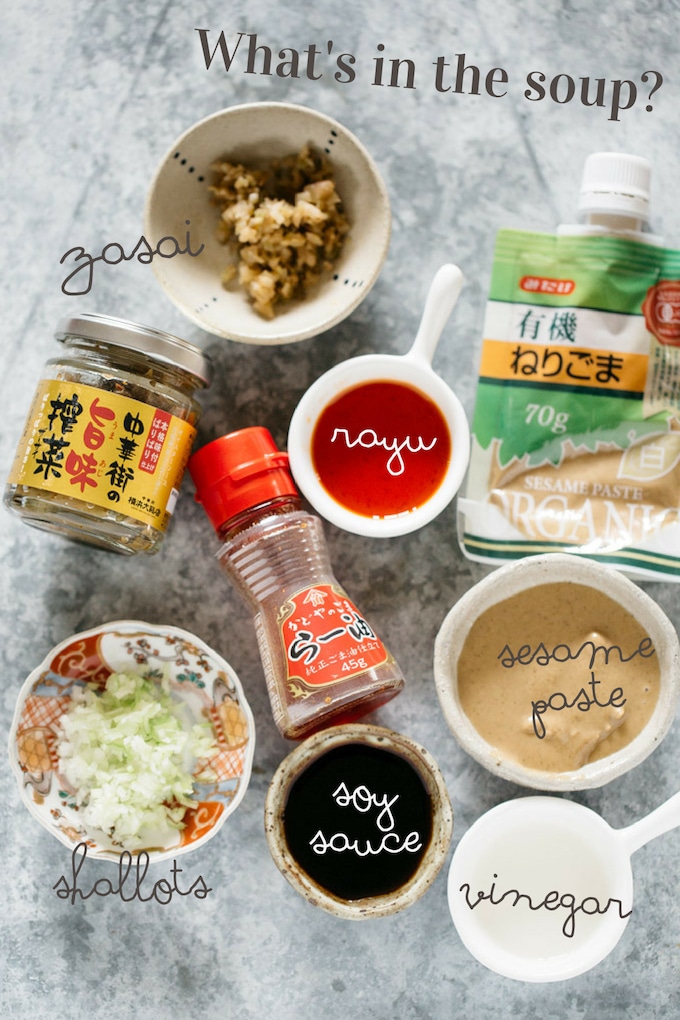
What’s in the soup?
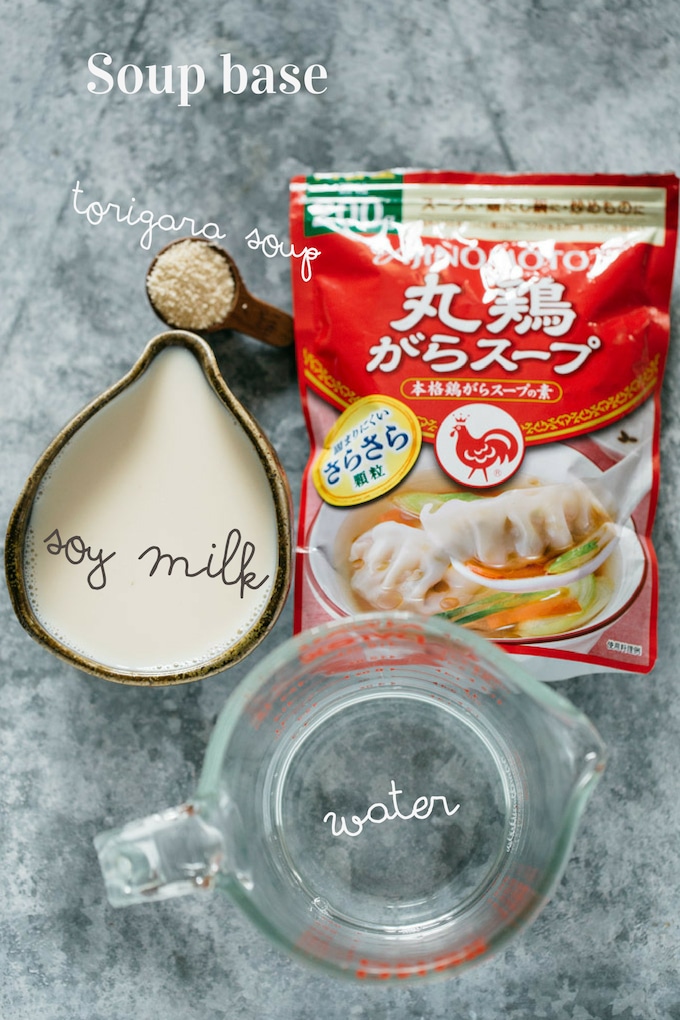
The base soup is made out of torigara soup and soy milk. Soy milk makes the spiciness of Rayu more mild. The soup also consists of zasai, sesame paste, vinegar, soy sauce, and shallots.
Special ingredients explained
Zasai (搾菜): or Zha cai, is pickled mustard plant stem. They are used in many Chinese dishes. I like just eating it with plain rice so I have a small jar that I bought from a local Japanese grocery store in my fridge.

Chimajan (Sesame paste) : It is called Chimajan(芝麻醤) in Chinese and you can buy a jar from asian grocery stores or online.
Rayu(辣油) : Japanese Chili Oil. It is vegetable oil infused with chili. Rayu is used for making Tantanmen soup and also for gyoza dipping sauce. I have seen them in major supermarkets here in Brisbane so I assume that Rayu is easy to get nowadays.
Torigara Soup(鶏がらスープ) : is granule chicken carcus stock soup. Japanese people often use this soup to make Chinese dishes at home. You can make this from scratch or buy it from asian grocery stores or online.
Can I use Tahini instead of Chimajan?
Chimajan is Chinese sesame paste and it is different from Tahini. Tahini is raw sesame seed paste whereas Chimajan is toasted sesame seeds paste and therefore they have quite a different taste. I will not recommend to use it instead of tahini.
What ramen noodles should I use?
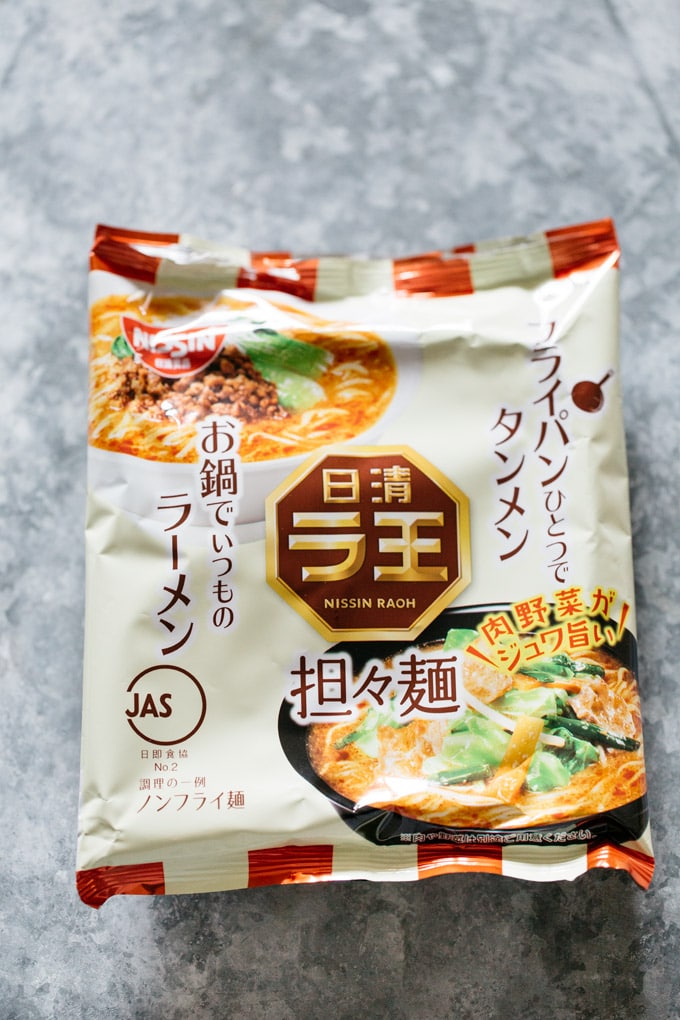
I used Nissin brand dry noodle “Raoh”. It actually comes with Tantanmen flavoured soup sachet. So you can use that soup sachet and take a short cut. Although this dry noodle takes about 4 minutes to cook, it is way better than 2 minutes noodles. Of Course you can use ready made egg noodles, or homemade Ramen noodles is even better.
Toppings variation
Classically, the toppings for Tantanmen are pork mince cooked with sweet miso paste and pak choy. But be creative and use something else too. I used miso egg in the original post. Chashu would be great too and instead of pak choy, you could use spinach also.
1 tip to make Tantanmen successfully
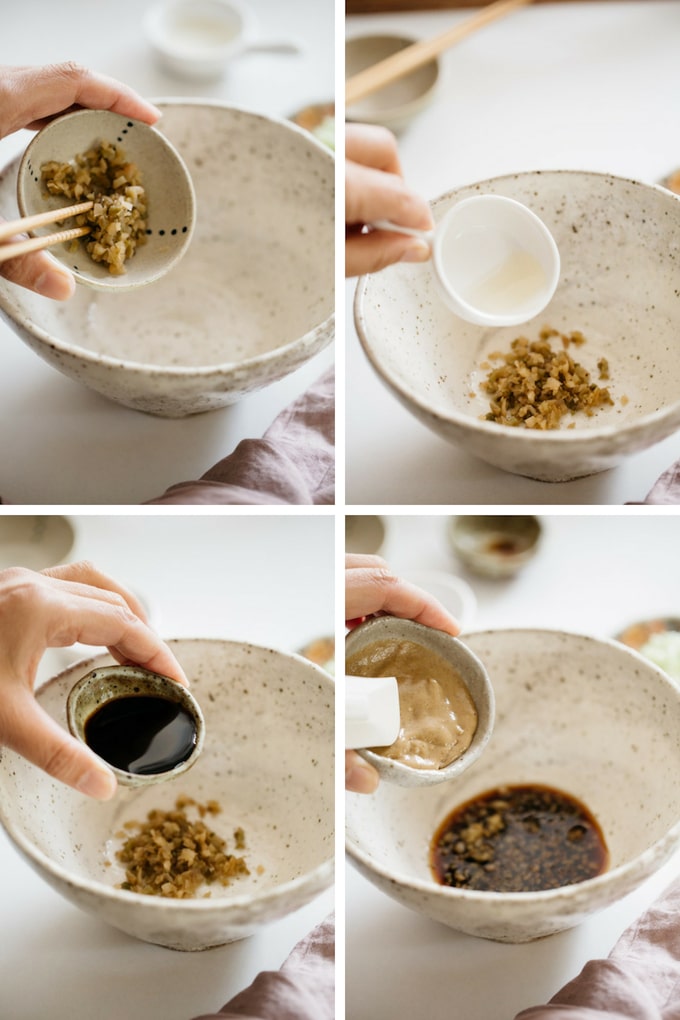
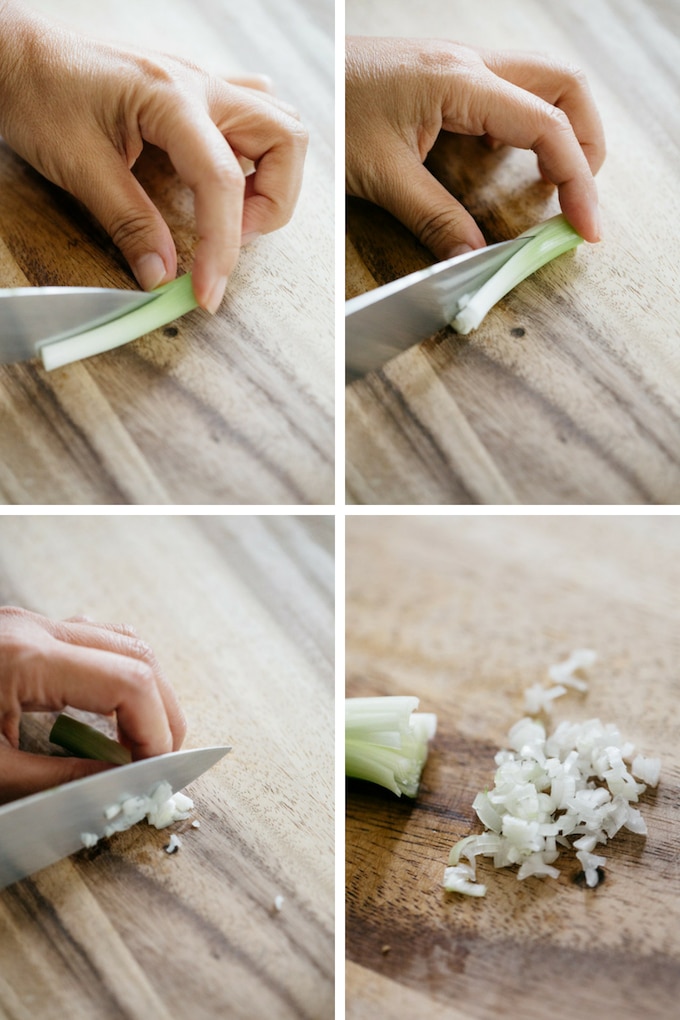
Timing! Chop up the shallots and zasai finely. Place all the soup ingredients in the ramen bowl. Make the soup base and stir to combine all. At the same time in a separate bowl, cook the noodles. Drain the noodle and put it in the soup in the ramen bowl. Top with the pork mince and parboiled pak choy.
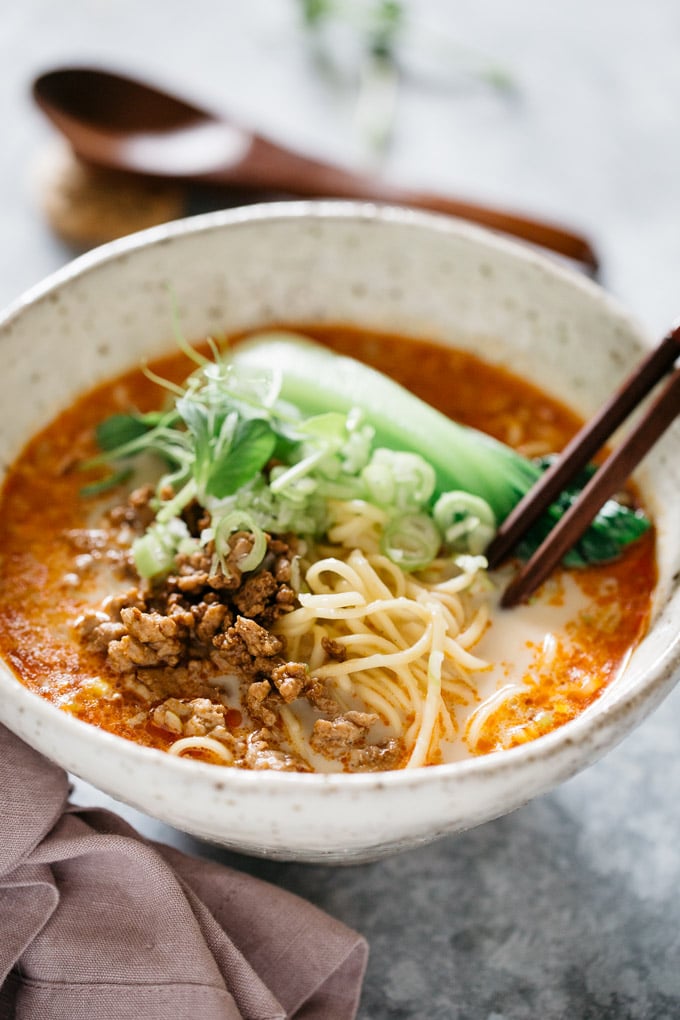
If all the ingredients in line are in order, Tantanmen can be made in 10 minutes! Can you believe it? This delicious noodle soup can be made in 10 minutes at home. It has been raining miserably in Brisbane so this hot spicy Tantanmen made my day!
Stay Connected
Here is my instruction for Tantanmen and If you liked it, please rate it and leave a comment or any questions below. Also, don’t forget to follow me on Youtube, Pinterest, Facebook , Twitter and Instagram to keep up to date with all the latest happenings on Chopstick Chronicles. Don’t forget to use the hashtag #ChopstickChronicles so I can see your wonderful creations!
Related Ramen Recipes

Tantanmen 坦々麺
Ingredients
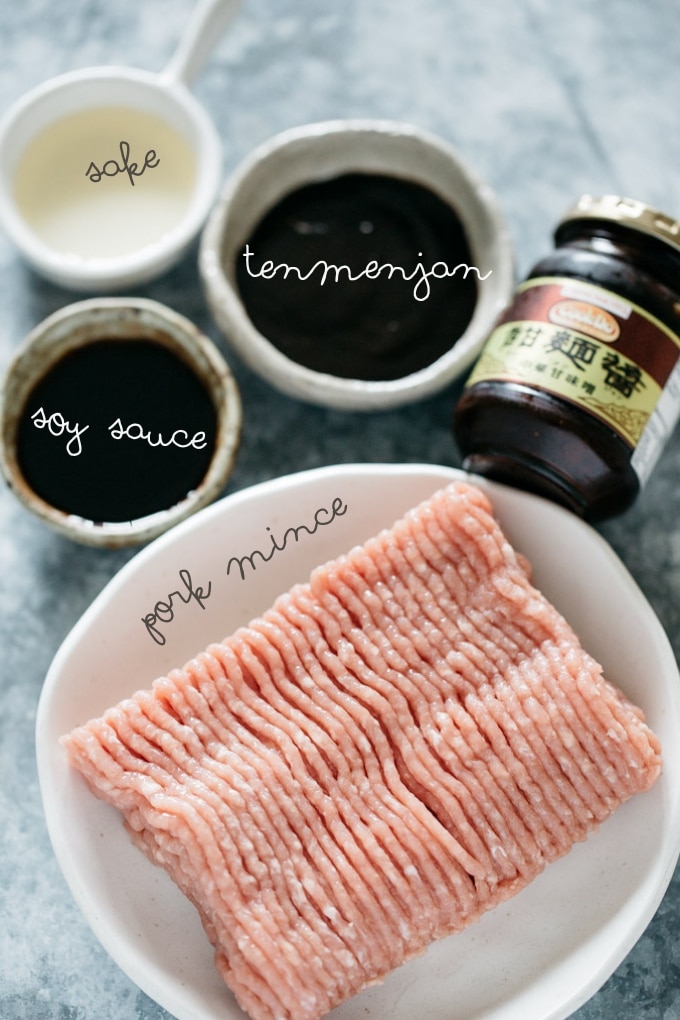
Pork mince
- 250 g pork mince
- 1 tbsp sake
- 1 ½ tbsp soy sauce
- 1 ½ tbsp tenmenjan Chinese sweet miso paste
soup
- 1 tbsp or 10g finely chopped Zasai
- 5 cm 2 inch finely chopped shallots (white part)
- 1 tsp rice vinegar
- 1 ½ tbsp soy sauce
- 2 tbsp Chimajyan sesame paste
- 1 tbsp Rayu Japanese chili oil
- 150 ml water
- 1 tsp torigara soup granules
- 150 ml soy milk
Noodle and toppings
- 1 ramen noodle
- ¼ pak choy parboiled
- 20 g of pork mince *1 from the pork minced cooked. Freeze left over
- Bean sprouts optional
Instructions
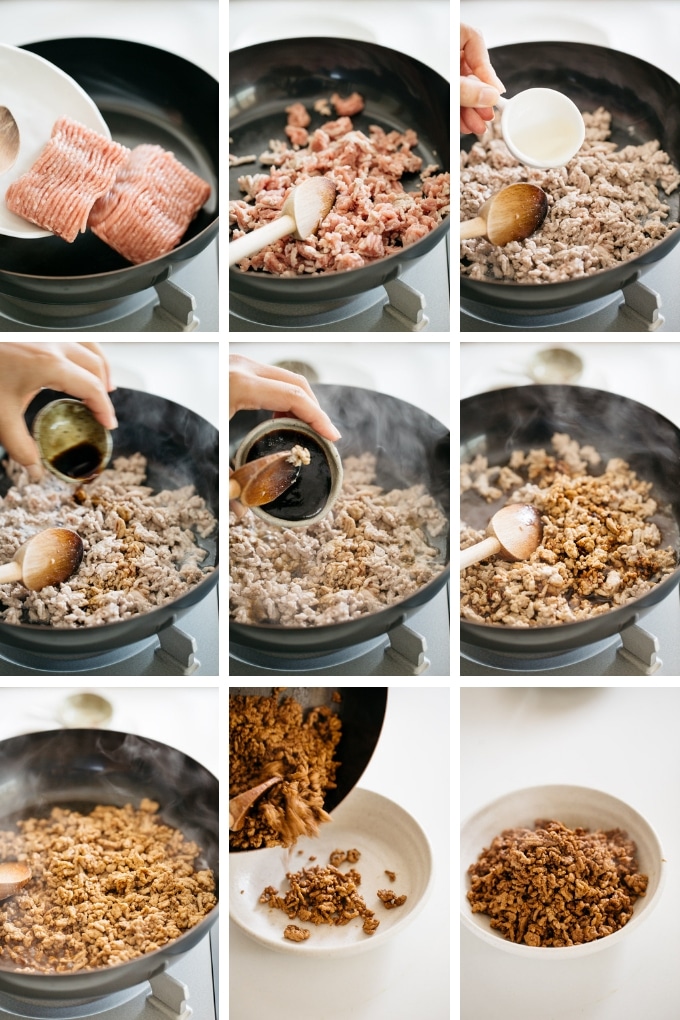
- Make miso pork
- Cook the pork mince in a frying pan over medium heat.
- When the mince changes colour, add the sake, soy sauce, and tenmenjan.
- Cook the mince further until the sauce thickens and all the mince is coated in sauce.
- Turn the heat off and set aside.
- Make Noodles
- Chop the zasai finely and set aside.
- Chop the shallots finely and set aside.
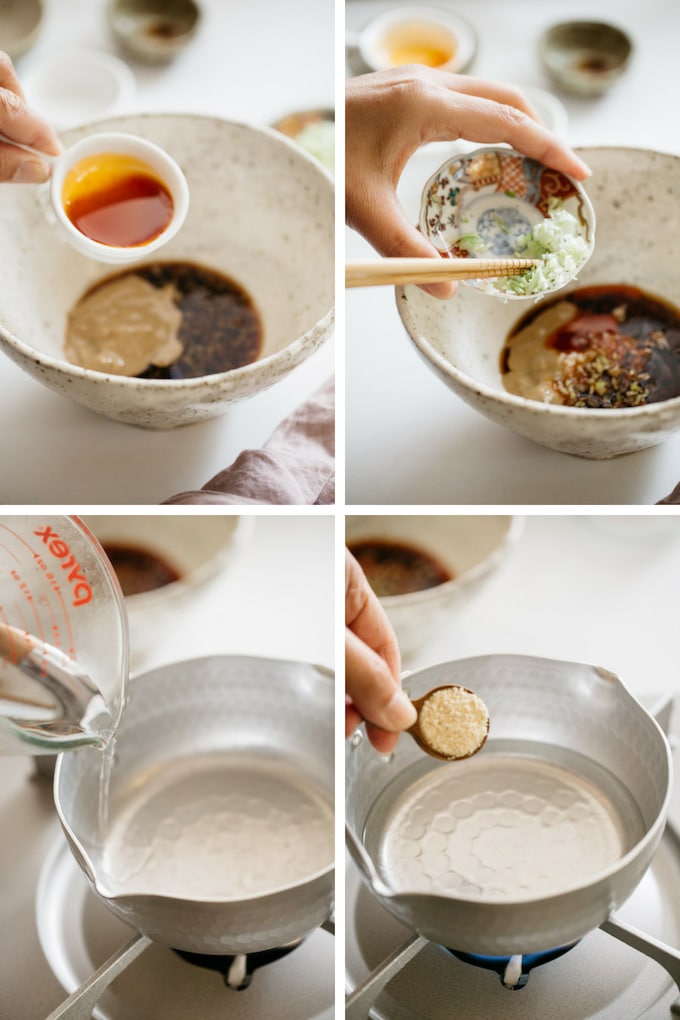
- Place zasai, shallots, vinegar, soy sauce, sesame paste, rayu in a ramen bowl.
- Boil 150ml water in a small saucepan and dissolve the torigara soup granules.
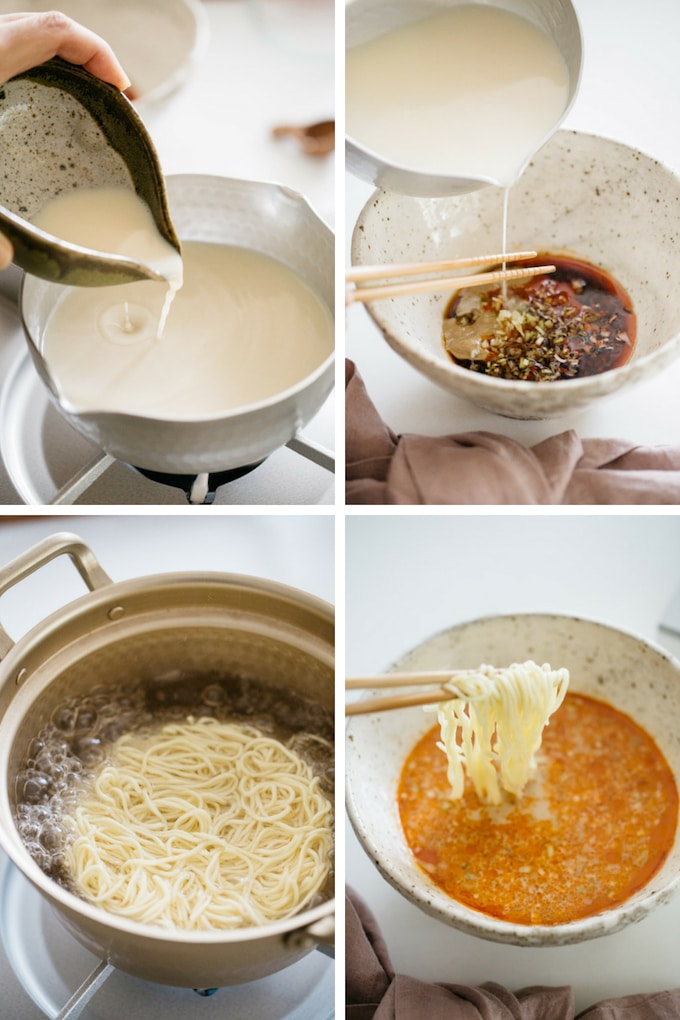
- Add soy milk to the saucepan and turn the heat off just before it boils.
- Pour the soy milk soup base into the ramen bowl.
- Stir all soup ingredients together.
- Cook ramen noodle in a separate pot.
- Drain the noodle and add it to the ramen bowl.
- Top with pork mince, pak choy and bean sprouts.
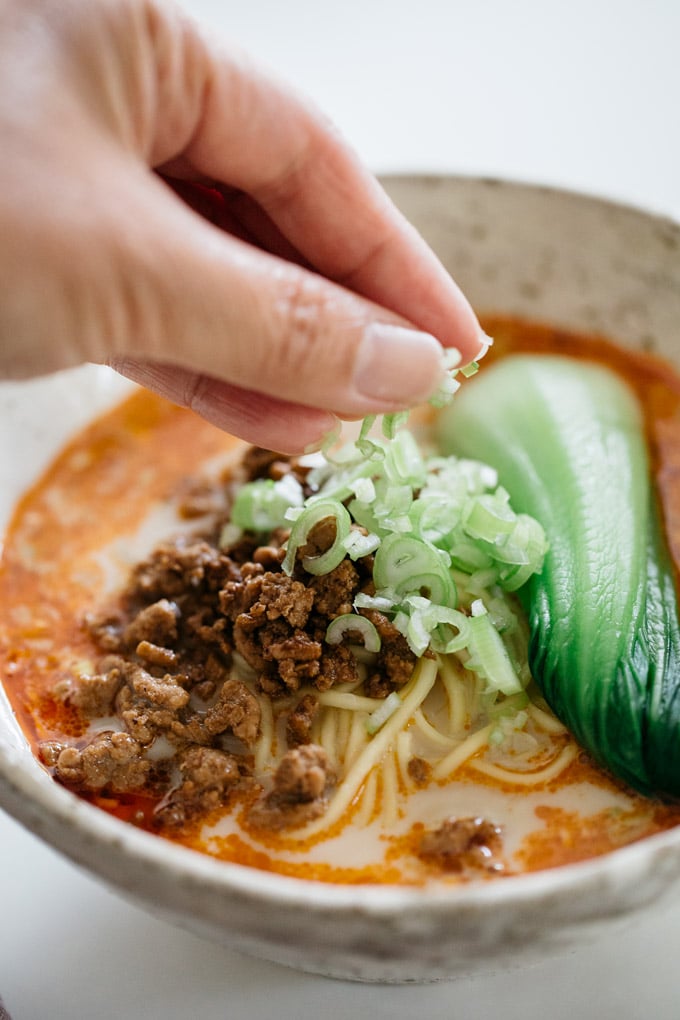
- Garnish with chopped shallots.






I assume the recipe means scallions vs. shallots. True?
Yummy!!
Hi Your reciple must be genuinely Japanese. I have been using coconut milk instead of soy milk. Never tried Zasai but used freshly chopped gingers and garlics. Much appreciated detailed information on nutrition. Keep up the good work. Jason
Thank you Jason 😀
So excited to try this recipe
Thank you!
You could also make your own soy milk you just need soy beans and a nut bag or something similar. It’s really easy to make.
Fantastic recipe. Thank you. Is it really 1,617 calories per serving! Seems a lot
Hi David, I used the recipe calculator and I think if you drink all soup, it will be.
Hi Shihoko,
I am struggling to find where I can buy tenmenjan in my local asian supermarkets. Which brand do you buy?
Hi Dani, I used Ajinomoto brand, but this is also good “>
Oh wow, I don’t know why I never thought of making Tantanmen at home! You make it seem so easy, I basically have all I need right now without planning for it! Will definetly be on the menu next week! 😀
Hello/ what alternative can I use if I can’t find unsweetened soy milk?
Hi Lyza, may be similar nuts milk to Soy.
Hi. When living in Japan I loved this soup. I thought that the base was made from a very long slow cooked pork broth plus your other ingredients. Since I don’t speak much Japanese I may for totally misunderstood. Anyway, I was just curious and this is so easy – I will give it a try.
Hi Ann, well people make this on their own recipe 😀 So may be. This is easy way to make and achieve delicious Tantanmen I guarantee 😀
Hello, big fan of the recipe. Do you use unsweetened soy milk or just plain soy milk?
Hello Emir, Thank you. I use unsweetened soy milk called “Bonsoy”.
Wow! I have never made any kind of ramen before but these instructions were easy, quick, and by golly was it good!!!
Thank you Dominik 😀 Am glad to know that you liked my Tantanmen!
Seriously this page should be the Wikipedia article for tantanmen. Terrific description, background details, and cultural context.
Ohhhh Thank you, Vaffangool 😀
Yours looks way more delicious than mine! Such a great post and I hope you can check out my tantanmen recipe on my website and comment what you think. I can see from your recipe that there are quite a number of ingredients that I’m missing so I’m planning to refine my recipe and follow yours. I’ll get back to you with the results!
Thank you for making my Tantanmen recipe 😀
This looks like an incredibly delicious and comforting meal!
Thank you Elizabeth 😀
This recipe has such great flavors, I would definitely make this again!
Thank you Janelle 😀
So delicious. It’s my favorite food. I made it and my brother like it. Thank you so much!
Thank you Melissa
In this dish, yummy ramen noodles are swimming in a deliciously balanced soup
Thank you James 😀
Hi Shihoko, is there any subsitute you can use if soy milk is not available? Is it possible to use fresh milk or evaporated milk in place of soy?
Hi Marlin, soy milk add nutty flavour and that is the reason i use the soy milk. I have never used other but may be coconut milk?