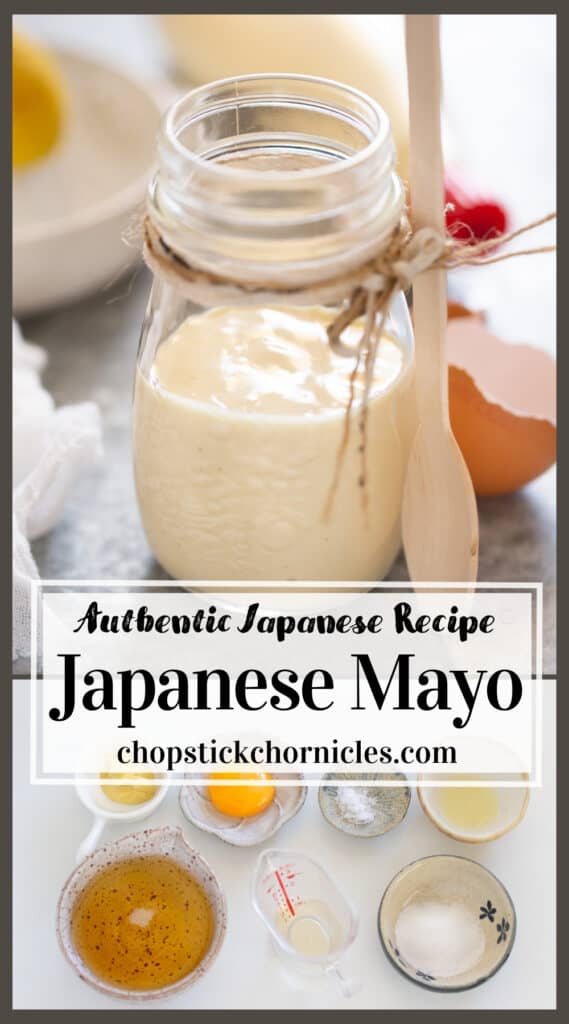
Japanese mayo is a special and versatile condiment packed with umami flavour. Japanese mayonnaise, (think well-known brand Kewpie Mayo), is different from the standard mayonnaise that you buy in supermarkets and may be more familiar with. It’s creamer, thicker, and has a bolder egg taste with a subdued tangy sweetness with a much less acidic flavour.
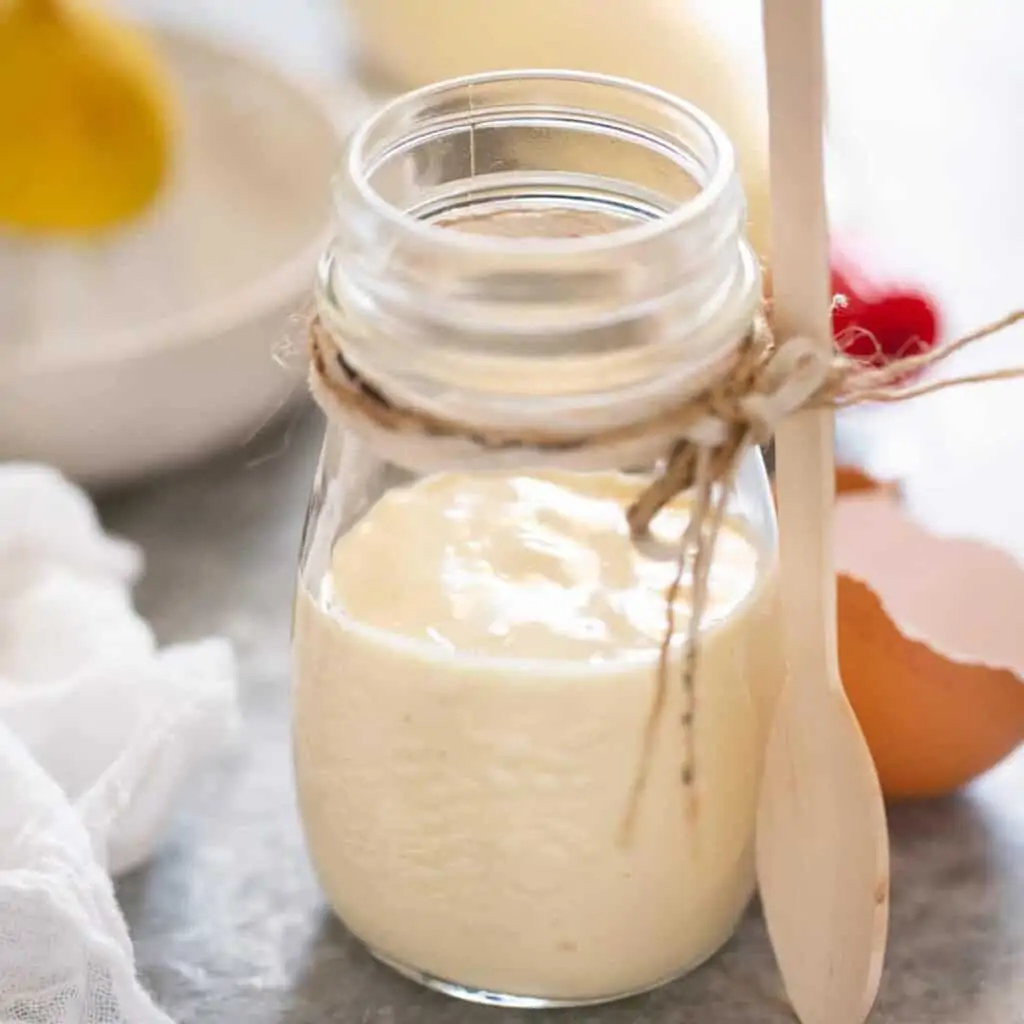
It’s a pantry staple in almost every Japanese household and has become a favourite around the world too. Japanese mayo’s popularity has skyrocketed over the years so it is now quite easy to find it sold outside of Japan. However, if you can’t buy it anywhere near you or you wish to make it fresh and without preservatives, then read on! It’s so easy to make at home yourself.
What’s Japanese Mayo?
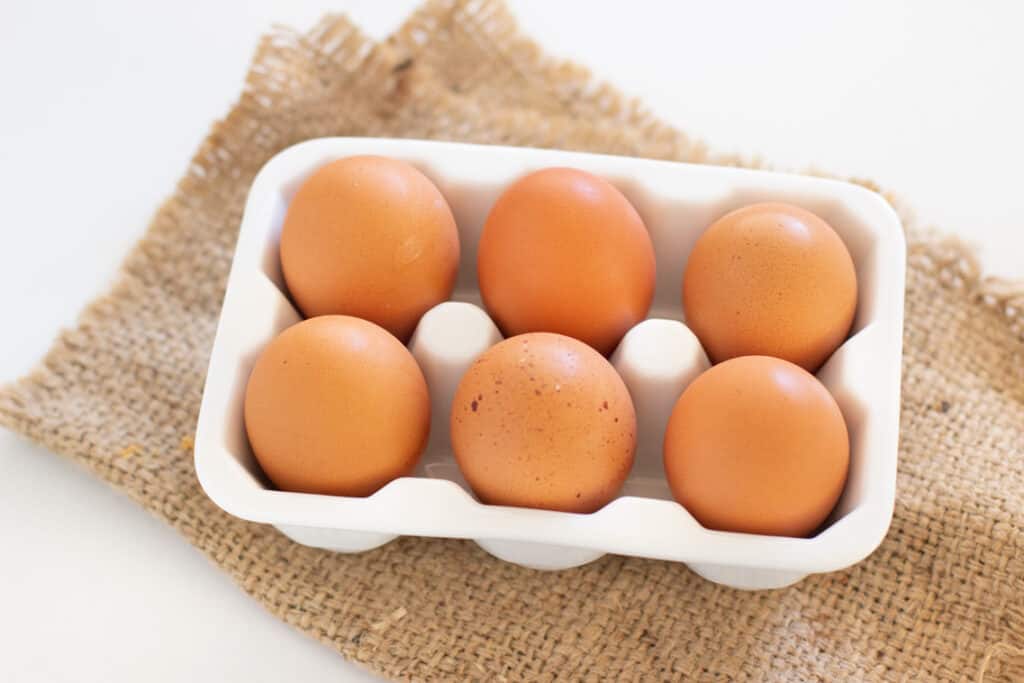
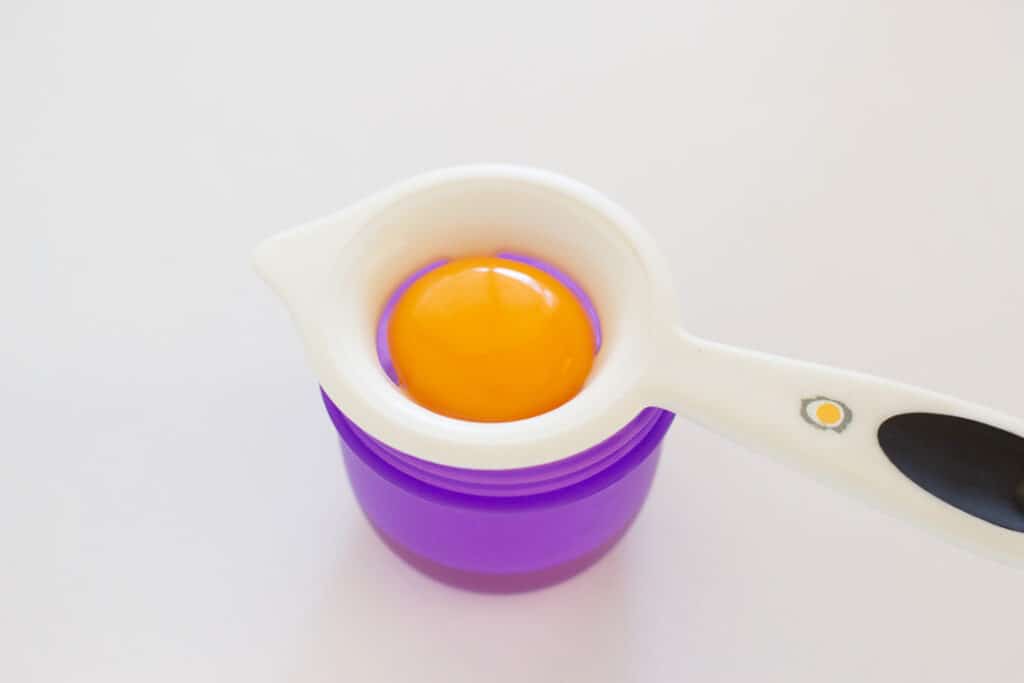
Japanese mayonnaise is a unique type of mayo that features a more prominent, richer egg flavour and a subdued tanginess with less acidity. Japanese mayonnaise differs from American mayonnaise because it utilises only the yolk of the egg instead of the whole egg.
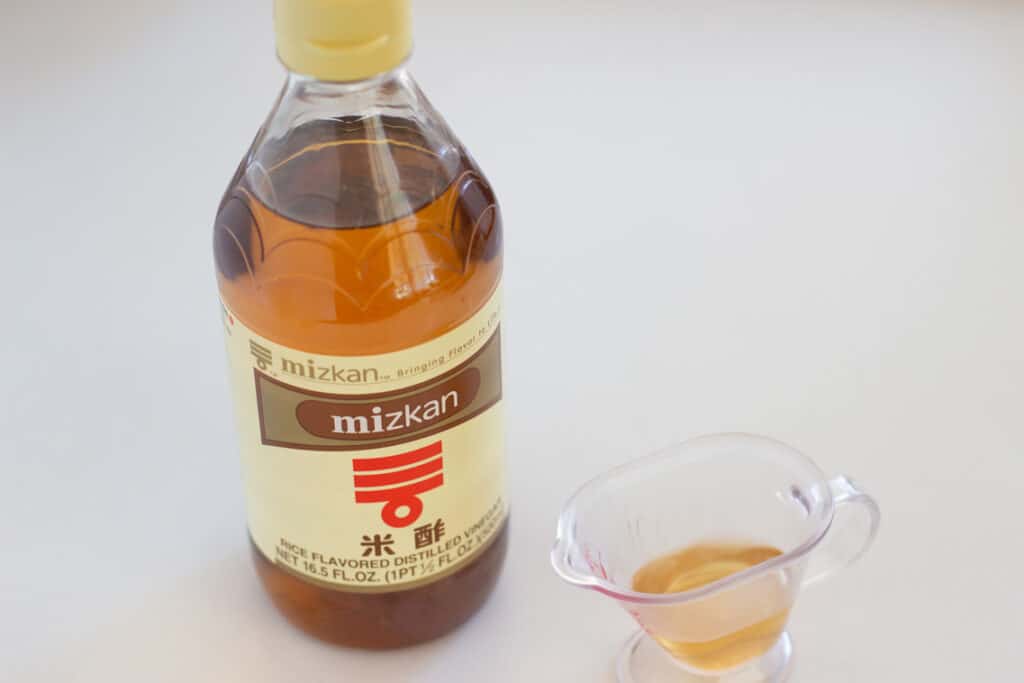
It also contains rice vinegar or apple cider vinegar, which gives it a more subtle sweet flavour whereas western mayonnaise uses distilled vinegar, creating a more acidic taste. These differences are why Japanese mayo has its own unique delicious flavour.
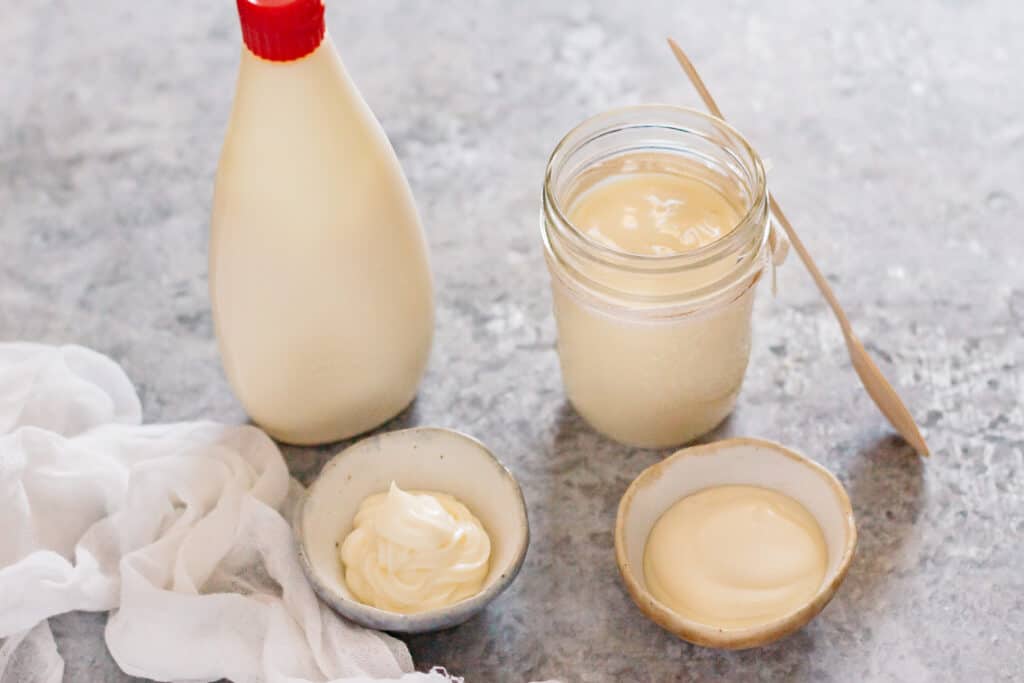
The most popular brand of Japanese mayonnaise is Kewpie Mayo. Nowadays it is very common to find this at nearly every supermarket. You can even buy variations of Japanese Kewpie Mayonnaise nowadays, such as wasabi mayo, half-fat mayo, and spicy mayo. Usually, Japanese mayonnaise is not spicy at all, so these new flavour variations are great for people who love spice.
What is Japanese Mayo Used For?
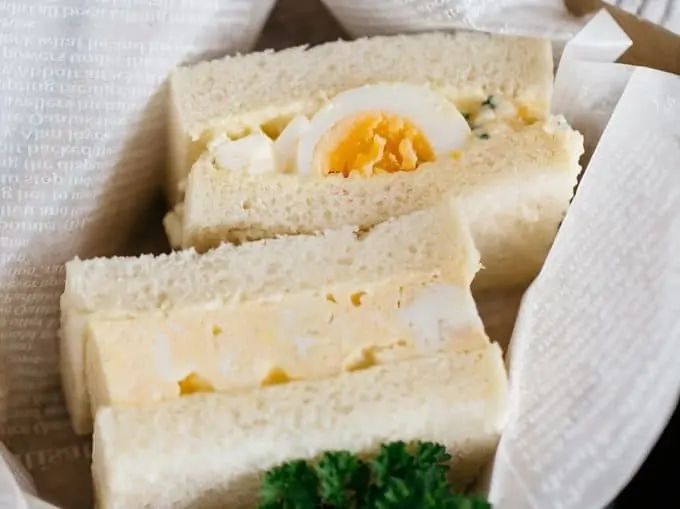
Japanese mayonnaise goes well with many types of food and is used often in a variety of Japanese recipes. You can use it to make potato salad and egg sandwiches or as a topping for salads, okonomiyaki, and yakisoba pan. I even use it as a secret special ingredient in fried rice, tempura, and pancakes! You will be surprised that won’t taste it at as a special hidden ingredient. If you are interested then check out the following recipes:
Where to Buy Japanese Mayo?
Because of its popularity, Japanese mayonnaise is very commonly found outside of Japan. You can buy it in most supermarkets nowadays around the world. If you live here in Australia, you can buy Kewpie from Woolworths and Coles. If you live in the US, I have seen that it is sold at Target, Walmart, Costco, and online on the Kewpie website.
For other parts of the world, you can most likely buy it from Japanese grocery stores in your area and at Daiso (if you have one if your country). If you still can’t find it, you can make your own! It’s fun and easy with the added benefit of knowing exactly what’s in it.
How To Make Homemade Mayo Safely.
Fortunately, there is hardly any risk of food poisoning from Japanese mayo due to its high acidity (low pH) level. This high acidity kills Salmonella and other bacterias that can cause food poisoning from eating eggs. However, since we are using raw eggs, there is still a possibility of food poisoning if it is not made properly.
Homemade mayonnaise may cause sickness due to insufficient acidity caused by the vinegar not fully killing the bacteria in the eggs. You must ensure to use pasteurised eggs, use enough vinegar and only make it in small batches so you use it up quickly.
Generally, most commercial Japanese mayonnaise have a vinegar to total amount ratio of about 8.7% to 10%. If the ratio is significantly lower, there is a risk of food poisoning. So let’s be careful! Remember, mayonnaise made correctly with the proper balance of vinegar can kill bacteria in the eggs from the high acidity level. Make sure you use about 10% vinegar to the total amount of mayonnaise you are making.
Ingredients Required To Make Japanese Mayo
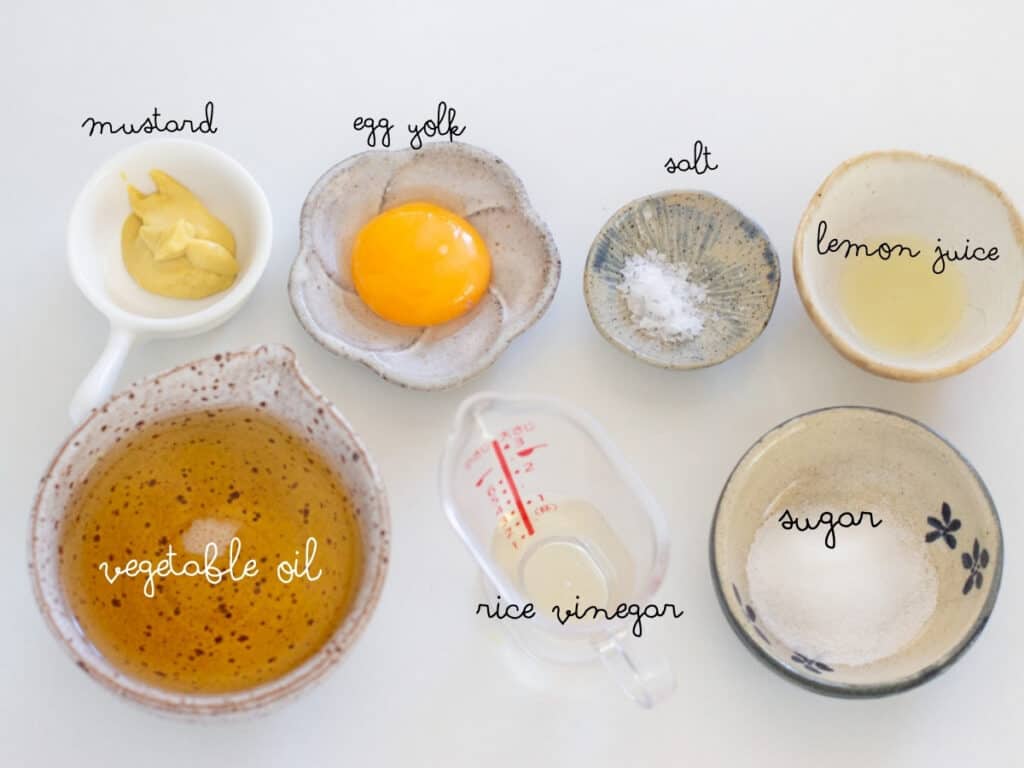
I wanted to make my Japanese mayo as close as possible to Kewpie Mayonnaise as I could. Basically they use: vegetable oil, egg yolk, distilled/rice vinegar, salt, spice/seasoning (amino acid), and spice extract. From that list I worked out the amount of each ingredients to make the vinegar ratio about 10% of the Japanese mayo.
Tips To Make Deliciously Creamy Mayo
One of the most common mistakes in making mayonnaise is that the mayonnaise is not cohesive and it separates. You can prevent separation and make deliciously emulsified silky creamy Japanese mayonnaise like the popular Kewpie mayonnaise by following these tips.
- Making sure all the ingredients are left at room temperature. Lower temperatures of the ingredients will make them separate easily.
- Adding oil a little amount at a time. Avoid to add all the oil at once.
- Use an electric blender or food processor if possible. If you don’t have them, every time you add oil, whisk well before you add more oil.
- Add lemon juice and mustard for a refreshing and mellow flavour.
FAQ
A: Generally speaking, homemade Japanese mayo is healthy as it does not contain any additives or chemicals. It is also a low carb diet friendly salad dressing.
A: Keto is short for ketogenic diet which are referring to high fat, low-carb diets. Japanese mayo is high in fat and low in carbohydrates so yes it is ketogenic.
A: No Japanese mayo contains egg yolk.
A : According to Kewpie USA, yes, Kewpie Japanese mayonnaise is gluten free. Also if you make my homemade recipe, you know what’s in it. This recipe does not contain gluten either.
A: You need “Eggs-tra Care for Eggs“. Read the FDA article for extra care for Homemade and fresh-made dressings and sauces made with raw eggs.
Stay Connected
Hope you like my Japanese mayo recipe. If you liked the recipe, please rate it and leave a comment below. Also, don’t forget to follow me on Youtube, Pinterest, Facebook , Twitter and Instagram . This way you keep up to date with all the latest happenings on Chopstick Chronicles. Don’t forget to use the hashtag #ChopstickChronicles so I can see your wonderful creations!
Recipe Measurement

Homemade Japanese Mayo 自家製マヨネーズ
Video
Equipment
- Electric blender
Ingredients
- 1 egg yolk *1
- 1 tbsp Rice Vinegar (15g) *2
- 1 tsp lemon juice (5g)
- 1/2 tbsp dijon mustard (7.5g)
- 1 tsp sugar (5g)
- 1/4 tsp salt (1g)
- 1/2 cup vegetable oil (100g/4oz)*3
Instructions
Do this extra step if you are using non pasteurised egg
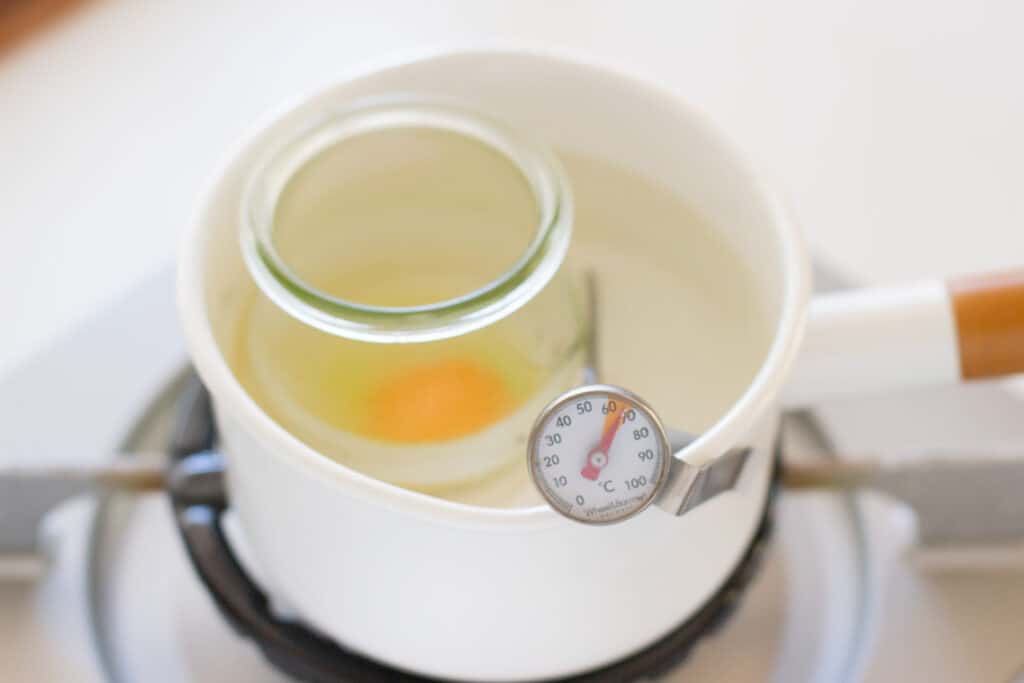
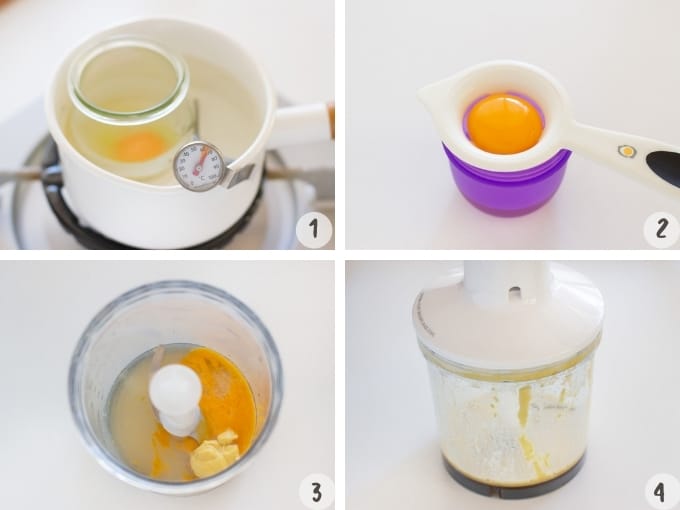
- Crack the egg into a container and leave it in 140°-160°F ( 60-70°C) hot water bath for 5 minutes.
Japanese Mayo
- Separate the egg to egg yolk and white. *4
- Combine all ingredients except oil in a small mixing bowl. *5
- Transfer the egg yolk and other ingredients mixture into a electric blender.
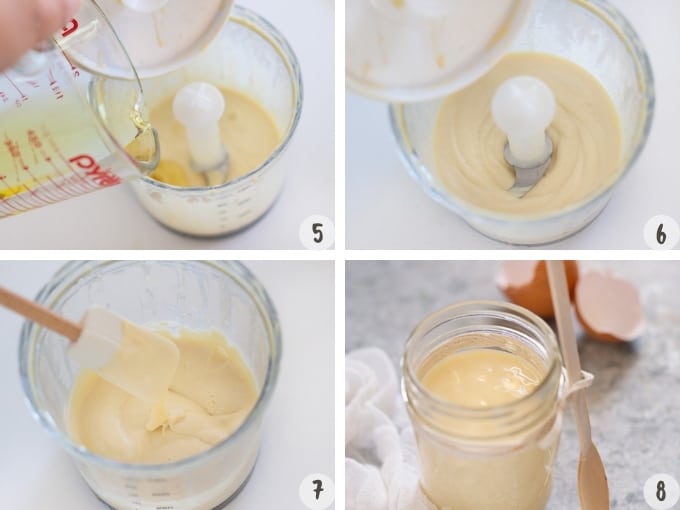
- Add a small amount of oil at a time and blitz or pulse the blender.
- Repeat this step until all the oil is added and egg mixture and oil has emulsified creamy.
- Transfer the Japanese mayo into a sterilized container. *6




I just made this and it turned out wonderfully. And easy! I used avocado oil and that worked well.
That’s fantastic ! Thank you Judy <3
I made this today . It was good but little runny and oily.
I have made this deliciously easy recipe many times since coming across the video a few years ago. (Thank you Shihoko!) Recently I ordered in a bottle of roasted pumpkin seed oil and decided to make the mayo with it. The emulsion process took a bit longer but the end result is the same; i.e. delicious! It also has the colour of avocado instead of creamy white. A fun experiment! =)
Thank you KCeee118, it is a nice adjustment and experiment. Thank you for sharing 😀
Extremely delicious!
Thanks so much for the precise recipe!
Thank you Ivana 😀
Well, still with the oil drops and fine thread..
It’s not needed, actually.
Put in this order everything in a mixing tall vase:
Eggs, oil, lemon juice, salt.
Mixer to the bottom, 8-10 sec @ max speed
Mix again going up and down during 3 sec to mix the rest on top, ready.
Comes out perfect every time.
This looks like the same ingredients used for regular mayonnaise
Shioko, can you possibly let me know the brand of the food processor/hand blender combo that you use in your video here? Also, you say it makes 9 ounces which should be a little over a cup, is this correct? I can’t wait to make this mayo! Thank you!
Hi Holly, I have moved and it is still in a box. I have to dig it out. I will let you know when I found it.
Thank you. Could you email me? I didn’t get notified that you replied to me here so I won’t know when to check for your response.
Can we substitute a tablespoon of Just Egg for the yolk and ma keep it vegan?
Japanese mayo is not keto because vegetable oil and sugar is not keto friendly at all.
Does look like an awesome homemade recipe to try out, thanks!
Hi Marinda, Thank you for your feedback.
Can you taste the difference between supermarket kewpie (thai like grey import pocky) compared to the real Japanese made one?
Hi Charlie, no I don’t though the homemade one is always taste better.
Is there an amount of msg to replace some or all of the salt for this recipe?
I have read that this is what makes the imported Kewpie so fabulous. I don Buy into the American perception
That msg is bad for you.
Hi Michelle, That’s why you make your own with NO MSG at home and this is the recipe for it.
I think Shohoko misunderstood your question. It’s a 1:1 ratio msg for salt;$
Ohhh Amberly and everyone, I got it now. I have never used msg before I always thought it is not good for your health.
Hey I also feel the same about MSG. There’s been so much scientific studies into it lately and they have shown that MSG is not dangerous.
Anyway, I think it’s typically 1:1 ratio for MSG to salt
Sorry to be such a downer, but msg is unfortunately bad for you. I’m korean, have had msg my whole life and thought it was fine. But I recently came down with liver disease due to an autoimmune disorder and have been doing a lot of research because now my diet is very limited. And I recently found that actually MSG promotes inflammation and can lead to non-alcoholic fatty liver disease, diabetes etc. There’s lots of research on this. And I’m a doctor. Sorry folks. 🙁
Highlights
•
Increasing MSG uptake above the safe limit significantly increase the body weight.
•
Increasing MSG uptake above safe limit produces liver and kidney dysfunctions.
•
MSG induces oxidative liver and kidney damage.
•
Vit D and l-Arg suppress the MSG-induced increase in food intake and body weight.
•
Vit D & l-Arg restore hepatic & renal MSG injury via inhibiting oxidative damage.
Bonjour
Il y a une erreur dans la quantité des ingrédients.
La totalité ne fait pas 250 g et le vinaigre ne fait pas 10% du total.
J’aime bien votre site.
Kurt
Excellent recipe!
Thank you Marta 😀
Hello,
Is there any concern about the raw egg yolk or does the vinegar and lemon juice ” cook” the yolk.
Thanks,
Lloyd
Hi Lloyd Le Blanc, just need to be careful because of the raw egg, and yes that’s why the percentage of vinegar and lemon is important as I said in the post 😀
I am a huge fan of Kewpie Mayonaisse so wanted to try making my own fresh mayo.
This was a breeze to make and ever so tasty. I like the fact that there are no preservatives in this mayo so that has to be a good thing.
Thanks for sharing this recipe.
Ohhh Thank you so much Frank. I am glad the recipe is helpful for you 😀