
Store-bought tofu can lack freshness and flavor and be full of preservatives so why not make your own at home! You’ll be amazed at the difference in taste and how rich and flavorful tofu can really be. I recently went to a book launch of Emiko Davies‘ new book ‘Gohan: Everyday Japanese Cooking‘ where she demonstrated making tofu from scratch. I was so inspired and couldn’t wait to make my own. It’s such a fun and satisfying process to make your own homemade tofu that turns out so nutritious and delicious. Once it’s ready you can use it to make protein-packed meals and tasty dishes like agedashi tofu and miso soup!
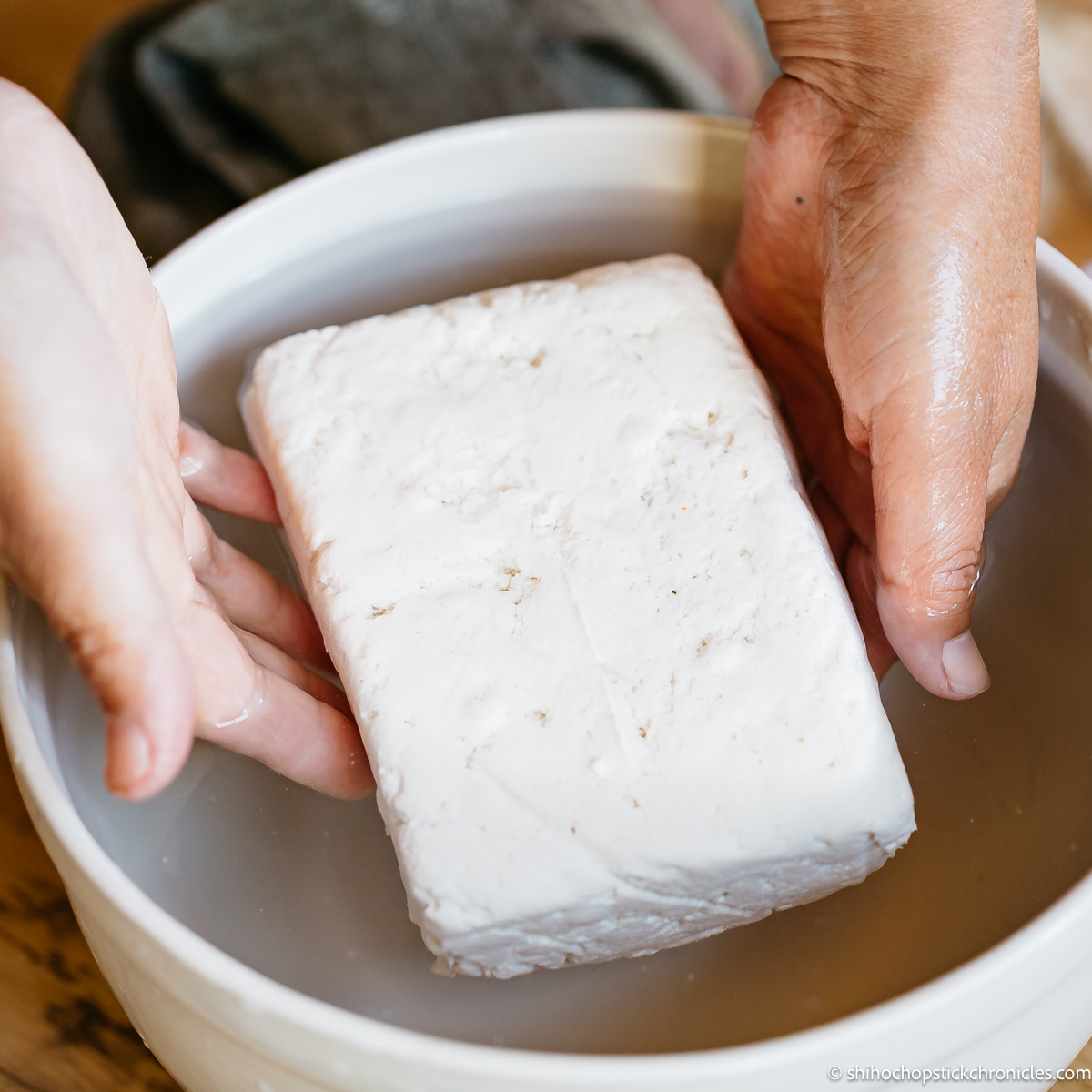
Table of contents
What is Tofu
Tofu is a food made by coagulating soy milk, which is extracted from ground soybeans. The process involves heating the soymilk and adding coagulants called Nigari (substitutes below) causing the proteins to solidify into curds. These curds are then pressed to remove excess liquid, resulting in tofu. It usually has a mild taste and is a good source of protein.
Different Types of Tofu
Tofu comes in different textures ranging from soft (silken or ‘kinugoshi’ in Japanese) to firm or even extra firm (‘momen’ tofu in Japanese) varieties. Each texture lends itself well to different dishes and cooking methods.
Silken tofu has a custard-like consistency that works great for blending into salad such as Shiraae tofu mashed salad or to make dango recipes such as mitarashi dango, without overpowering the flavors.
Firm or extra firm tofu (momen dōfu) holds its shape better when cooked and can be grilled, baked, stir-fried or used as a meat substitute in vegetarian/vegan recipes. I use firm tofu for Agedashi tofu, tofu steak and mapo tofu.

Tofu Ingredients
Only three essential ingredients are used in traditional tofu production: soy beans, nigari, and water.
Soy beans : Soybeans are the heart of tofu. These legumes possess numerous health benefits owing to their high protein content, essential amino acids, fiber, vitamins (such as vitamin K), minerals (like iron and calcium), and antioxidants. Choose soybeans high in sugar and protein, and large soybeans if you have the choice.

Nigari: this is an integral part of tofu production that helps coagulate the soy milk into curds necessary for forming tofu blocks. Derived from seawater or salt lakes rich in magnesium chloride salts, nigari contains both magnesium chloride and trace minerals such as potassium chloride. Nigari is a salt coagulant and is available in crystallised or liquid form. You can purchase it from Japanese grocery stores or online If you can’t find nigari, another salt coagulant is gypsum. Other options include gluco delta-lactone(GDL) or, for more accessible options, vinegar or lemon juice.
Mineral Water: The quality of water used during tofu production plays a crucial role in determining its taste and texture. Mineral water is often preferred due to its purity while enhancing the overall flavor profile of the final product. The natural mineral composition can vary depending on the source but typically includes minerals like calcium, magnesium, potassium, sodium – all contributing to tofu’s nutritional value.
Equipments Needed for Home
Tofu Mold : A tofu mold or tofu press is used to shape the pressed soybean curds into a traditional rectangular block of tofu. It typically has small holes on the sides and bottom to allow drainage of any remaining liquid while keeping the curds intact. It does not need to be rectangle. If you don’t have this, you can use a cheese mold, or a colander or anything that has holes for drainage.

Cheesecloth or Muslin Cloth : To strain and separate the solids from the soy milk during the curdling process, you will need a cheesecloth or muslin cloth. These materials allow for proper drainage while preventing any unwanted particles from entering the final product.
Thermometer : Monitoring the temperature is crucial during different stages of tofu-making to achieve desired results consistently. A food-safe thermometer allows you to precisely measure temperatures when heating soy milk or adding coagulant.
Blender : Blending soaked and cooked soybeans with water is necessary to create a smooth base for making homemade soy milk that will later be transformed into tofu curds.
How to Make Tofu
1: Soaking and Preparing the Soybeans
Start by rinsing 2 cup of soybeans thoroughly under running water. Then place the beans in a bowl and cover them with water. Allow them to soak overnight or for at least 8 hours to soften. The beans will absorb water and expand.

2: Making soy milk
Blending the Soybeans : Transfer the soaked soybeans with the soaking water to a blender or food processor. Blend them until a smooth paste-like consistency is achieved. This blended mixture is called “namago” in Japanese.
Transfer the ground soybean paste(namago) to a large pot filled with 5 cups of boiling water. Cook over medium heat while stirring frequently. The blended soybeans paste produces a foam and it will rises up as the mixture heats up. Reduce the heat to low when the foam rises up and simmer for about a further 10 minutes. This step removes any raw flavor from the soy milk.

Notes * Never leave the pot unattended to avoid it boiling and overflowing like I did once.

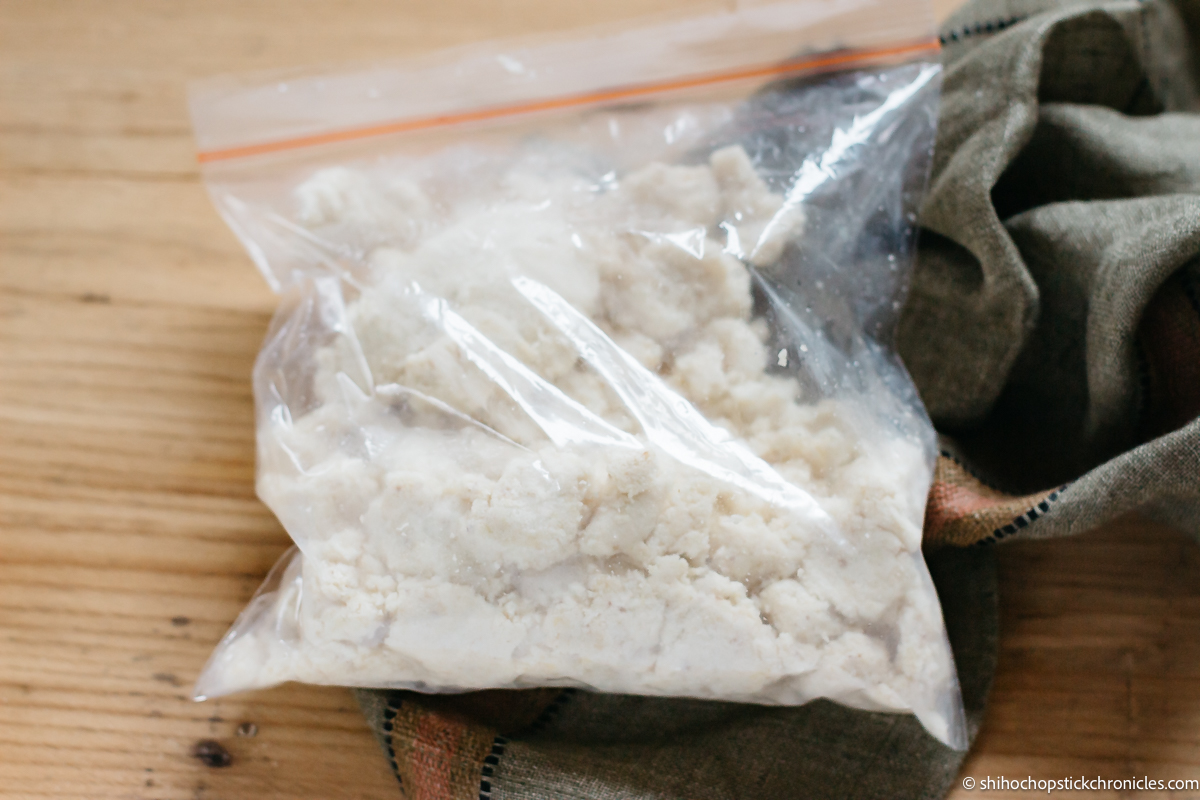
Using cheesecloth or muslin cloth, strain out any remaining solids from the cooked mixture. Squeeze gently to extract as much liquid—this liquid obtained now is known as soy milk. You will have about 4 cups of soymilk (1 Liter). The pulp left over in the cheesecloth is called “okara” in Japanese. The okara can be used for many other dishes such as unohana, and okara donuts or added to Japanese hamburgers. So do not discard the okara. Put it in a ziplock bag and freeze it. It will keep for about a month in the freezer.
3: Making Tofu
Coagulating Soy milk: Next, transfer the freshly strained soy milk back into a clean cooking pot. Heat it until it reaches around 75°C (167°F) to 80°C (176°F). Dissolve the coagulant Nigari (or your chosen coagulant) in a small amount of water and gently stir into the soy milk, ensuring even distribution. Allow it to sit with the lid on undisturbed for about 15 minutes letting the curds form.
If the temperature is too hot, the tofu texture will be firmer and also you will get yuba as well.
Yuba is a thin layer of soy bean curd that appears on the surface of soy milk during boiling, similar to the thin layer that appears when you boil milk. Yuba can be used as an ingredient for cooking and can also be eaten as it is without cooking.

4: Pressing Tofu
Line a tofu mold with a cheesecloth or muslin cloth and ladle the curds into the mold carefully, allowing excess liquid (whey) to drain away. Once all curds are transferred to the mold, fold over the lining cloth inward and put a lid on and about 400g of weight for about 15 minutes.
After 15 minutes, remove the tofu wrapped in the cheesecloth or muslin cloth and transfer it into a large mixing bowl with cold water. Unwrap the cheesecloth gently and leave the tofu in the cold water for another 30 minutes in order to remove the astringent or raw flavour.

Customizing Tofu Textures
As I mentioned above, tofu generally has two different types of textures: Kinugoshi (silken) and Momen (firm) in Japanese. Kinugoshi has a delicate silky smooth and custard like texture as opposed to Momen which has a firm and dense texture with less moisture. You can make different textured tofu by adjusting the amount of coagulants, the pressing time, and the soy milk temperature. Lesser coagulants and pressing time will make the tofu softer. Higher soy milk temperature and the tofu will be firmer. You can experiment to find the texture you like.
Japanese Recipes to Enjoy Homemade Tofu
Scrambled tofu – Whether you’re vegan, vegetarian, or simply looking to incorporate more plant-based meals into your diet, scrambled tofu is a delicious and nutritious choice that will satisfy your cravings and keep you energized throughout the day.
Easy Crispy Japanese Tofu Steak – This quick and easy vegetarian-friendly alternative to meat steak brings together the delicate flavors of tofu with a savory marinade.
Hiyayakko Chilled Tofu – Hiyayakko is chilled tofu garnished with an array of toppings such as green onions, grated ginger, and soy sauce. Its simple yet refreshing flavors make it a popular choice, especially during the hot summer months.

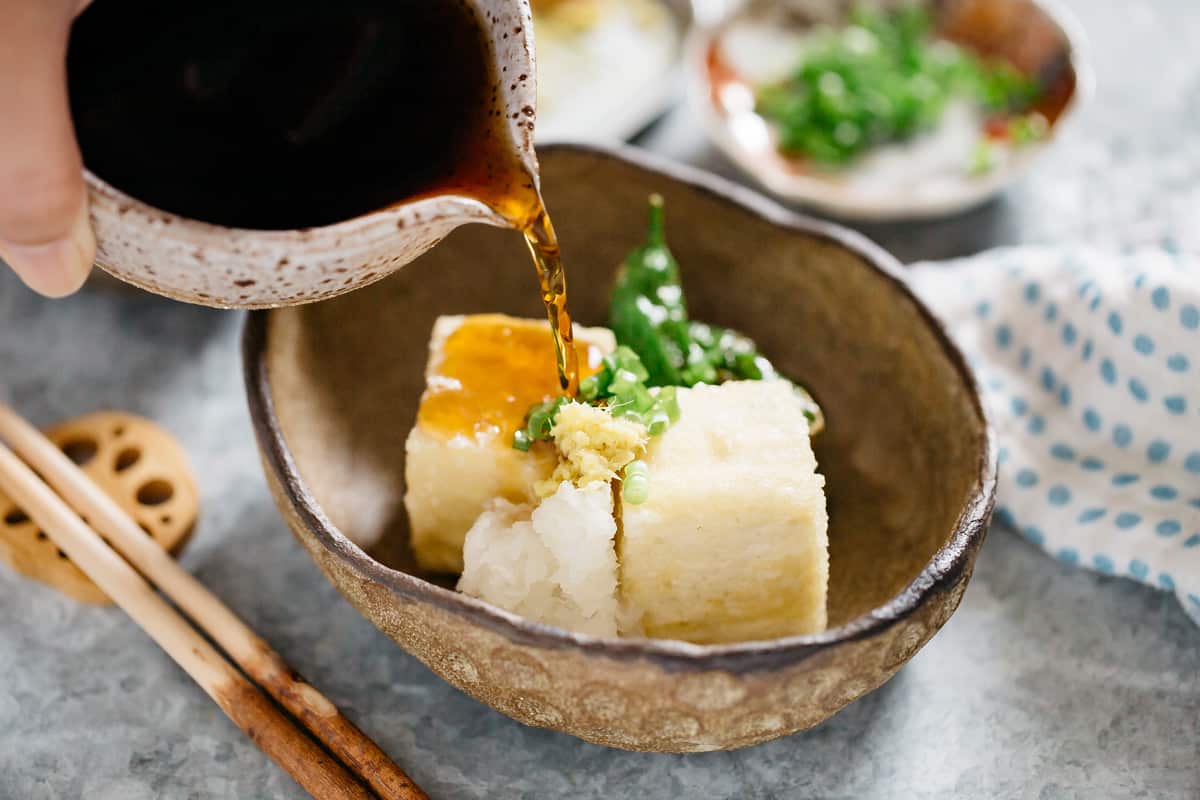
Agedashi Tofu – This popular dish consists of tofu fried in a light starch coating and served in a flavorful dashi broth.
Shira ae mashed tofu salad – Made with silky mashed tofu and a blend of other ingredients, this protein packed side dish is full of nutrients and flavour.
Dango– Dango is a Japanese sweet treat similar to mochi. Popular varities include mitarashi dango, yomogi dango, shiratama dango, and hanami (sanshoku/3 colour) dango. Adding silken tofu to any of these recipes makes the dango more soft and bouncy.
Unohana Sauteed Okara – Derived from soybean pulp, this versatile food byproduct has been used in Japan for centuries. It can be used to make stir fry dishes with vegetables and even cookies and other desserts.
Miso Soup – Tofu miso soup is a traditional and well known Japanese dish. It’s warm and comforting with a delicate balance of umami rich flavours. It’s typically made with seaweed and tofu added.
Tips
Squeeze the heated soybean mixture while still hot (but carefully not to burn yourself!). Once it cools down, it becomes difficult to squeeze.
Cook over low heat while heating up the soy milk and stir it continuously with a wooden spoon to avoid burning and overheating (above 80°C). If it creates Yuba (thin skin like layer), remove it.
The standard ratio of Nigari to soy milk is 1%, but the quality of the tofu will vary depending on the concentration of Nigari. If it doesn’t harden, try adjusting the amount of Nigari.
FAQ
A : Yes you can but choose soy milk which is made from mainly soybeans and less additives. Among them, it is best to choose one with a high soybean solid content. Then you can make tofu from the coagulating soy milk step.

How To Make Tofu 豆腐 : A Step By Step Guide
Equipment
- 1 tofu mold
- 1 large mixing bowl
- 1 colander
- 1 thermometer
- 1 wooden turner/spatula
- 1 pot
- 1 ladle
- 1 weight
Ingredients
- 2 cups dried yellow soybeans
- 6 cups water for soaking
- 5 cups water
- 1 tbsp liquid nigari *1
- 50 ml hot water
Instructions
Soaking and Preparing the Soybeans
- Rinsing 2 cup of soybeans thoroughly under running water.
- Place the beans in a large bowl and cover with them with 6 cups of water.
- Allow the beans to soak overnight or for at least 8 hours in summer, 15 hours in spring/autumn, 20 hours in winter.
Making Soy Milk
- Transfer the soaked soybeans with the soaking water to a blender or food processor.
- Blend them until a smooth paste-like consistency is achieved.
- Transfer the blended soybean paste to a large pot filled with 5 cups of boiling water.
- Cook over medium heat while stirring frequently. *2
- Reduce the heat to low when the foam rises up and simmer for about a further 10 minutes. *3
- Using cheesecloth or muslin cloth, strain out any remaining solids from the cooked mixture.
- Squeeze gently to extract as much liquid—this liquid obtained now is known as soy milk. *4
Making Tofu
- Transfer the freshly strained soy milk back into a clean cooking pot. Heat it until it reaches around 75°C (167°F) to 80°C (176°F).
- Dissolve the coagulant Nigari (or your chosen coagulant) in a small amount of water (50ml) and gently stir into the soy milk, ensuring even distribution.
- Allow it to sit with the lid on undisturbed for about 15 minutes letting the curds form.
Pressing Tofu
- Line a tofu mold with a cheesecloth or muslin cloth and ladle the curds into the mold carefully, allowing excess liquid (whey) to drain away.
- Once all curds are transferred to the mold, fold over the lining cloth inward and put a lid on and about 400g of weight for about 15 minutes.
- After 15 minutes, remove the tofu wrapped in the cheesecloth or muslin cloth and transfer it into a large mixing bowl with cold water.
- Unwrap the cheesecloth gently and leave the tofu in the cold water for another 30 minutes in order to remove the astringent or raw flavour.





wow i didn’t realise it’s this easy to make tofu, thank you for the recipe!
Yes you can make and it is simple to make 😀
After making this I don’t think I can ever eat store bought tofu again. A few steps but the result is worth the effort.
I agree, Richard 😀