Are you a sushi lover but often find yourself intimidated by the thought of rolling your own? Pressed unagi sushi is for you! This traditional Japanese dish features classic sushi rice stacked with (or without) a layer of Japanese egg omelette and topped with grilled eel coated in a delicious unagi sauce. Pressed sushi, or ‘oshizushi’, is one of the easiest ways to make sushi because there’s no skill or hand work required. Simply place everything in a mold and press together for fuss and mess free sushi. The flavor combination of the saucy grilled eel on top of the rice makes this pressed ‘oshi’ sushi a delight for your taste buds while also making your at-home sushi-making experience a breeze. Follow along with this unagi sushi recipe to enjoy this authentic delicacy at home!
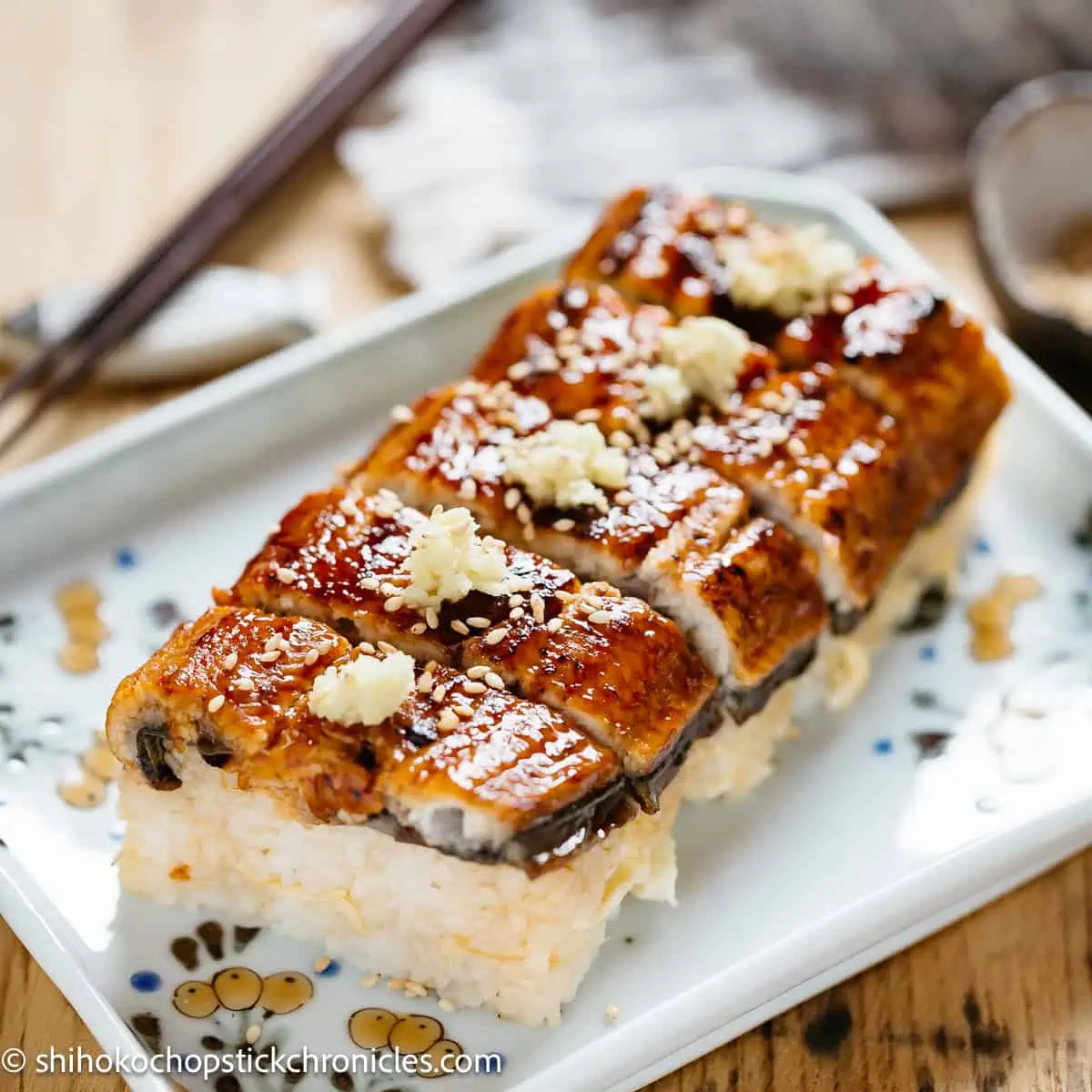
Table of contents
What is Unagi?
Unagi is the Japanese name for freshwater eel and is used in various dishes in Japanese cuisine. It’s rich in protein, omega-3, and vitamins making it a great meat option. The eel is typically prepared using a cooking method called “kabayaki” in which it gets turned into fillets then coated in a sweet-salty sauce and grilled. The eel becomes a tender, succulent, and soft texture with a deep flavor and savoury/sweet taste from the sauce. The result is super delicious bbq eel that can be used in many ways in various types of Japanese dishes.
The most popular and common unagi dishes are:
– Unagi donburi, otherwise known as unadon or unagi don. This is a rice bowl dish which consists of the grilled unagi served over rice in a large bowl with the sweet unagi sauce (unagi tare) glazed on top.
– Unagi sushi. There are many ways to use unagi in sushi including unagi nigiri, unagi roll, and pressed sushi. Unagi nigiri is a popular type of sushi with the eel placed over a small ball of sushi rice with a thin strip of nori sheet around the middle. Unagi sushi rolls aren’t typical in Japan but this maki sushi is a popular sushi roll in other countries. It’s usually an inside-out roll (uramaki) with the nori seaweed sheet inside and the bbq eel either placed on top or rolled inside too. This pressed sushi is the easiest way to make unagi sushi because there’s no skill required. It features a layer of Japanese egg omelette between the rice for extra flavor and texture. Japanese omelette is a common pairing for bbq eel in Japan as the flavors complement each other well.

Main Ingredients for making Unagi sushi
– Unagi: the star ingredient is, of course, unagi. This is freshwater eel that has been grilled and glazed with a sweet soy sauce-based sauce. You can buy ready to eat bbq unagi (kabayaki eel) from local Japanese grocery stores. Purchasing eel raw is not recommended because it requires careful preparation to create this bbq eel.
– Sushi Rice: Sushi rice is short-grain rice that has been seasoned with sushi vinegar, whihc is a mixture of rice vinegar, sugar, and salt.
– Kinshi tamago: this is thinly sliced Japanese omelette strips. It’s a common pairing for eel in Japan and adds extra taste and texture to the sushi. This is optional; you can omit the egg completely or replace it with avocado slices.
– Unagi sauce: Unagi sauce, also known as eel sauce or ‘unagi no tare’, is a key ingredient when making delicious Unagi sushi. Unagi sauce is made out of soy sauce, sake, mirin and sugar, similar to teriyaki sauce. Store bought unagi sauce from brands like Kikkoman can be found but making it at home is healthier, fresher, and very easy.
– Garnishes: garnish the pressed sushi with shiso leaves and sprinkle sesame seeds on top if you wish.

Equipment Required
Unlike regular sushi rolls or nigiri, pressed sushi doesn’t need to be rolled so no bamboo mat is required. Instead, you’ll need some kind of rectangular mold. In Japan, a wooden oshibako mold or sushi press is used. This rectangular-shaped tool allows you to precisely shape and compress the rice and toppings into beautiful blocks with clean edges. Choose a mold made from high-quality wood that’s resistant to moisture, ensuring durability over time. You can also use a baking loaf tin or some kind of tupperware.

Step by Step Instructions
1. Prepare the Mold: Start by lining your oshibako (wooden mold) with a piece of plastic wrap or parchment paper. This will prevent the rice from sticking to the mold.
2: Layering Ingredients: Place a layer of unagi kabayaki fillet skin side up on the bottom of your prepared mold. Spread an even layer of sushi rice on top of the unagi kabayaki fillet, pressing it gently to ensure it’s firmly packed. Lay strips of eggs evenly over the rice layer. Then again spread an even layer of sushi rice.
3. Compressing and Shaping: close the ingredients with the plastic wrap then place the drop in wooden lid to compress the sushi ingredients all together.
4. Slice and serve : Use a sharp knife to slice the sushi and drizzle unagi sauce (eel sauce) to serve.
Tips for Making Unagi Sushi
- Unagi sushi isn’t rolled with seaweed sheets so it’s very easy to make, especially if you have a wooden pressing mold. The trick is to neatly fill the four corners with rice to make neat presentation.
- Layer plastic wrap over whatever you use as your pressing mold to avoid the rice sticking to it. This allows the sushi to be removed from the mold easily and mess free.
What to Serve with?
There are several delicious accompaniment options to serve with unagi sushi that can complement its rich and slightly sweet flavor.
1. Miso Soup: This is a common side dish in Japan. Its savory and umami flavors will prepare provide a comforting touch.

2. Pickled Ginger: Serve pickled ginger also known as “sushi ginger” alongside your unagi sushi to cleanse the palate between bites. The tangy, slightly spicy flavor of ginger helps refresh the mouth after savoring each piece of sushi.

3. Gyoza (Japanese Dumplings): These pan-fried dumplings filled with ground meat or vegetables are incredibly popular in Japanese cuisine. Their crispy exterior and juicy filling create a delightful contrast when enjoyed together with unagi sushi.

4. Sunomono Salad: This refreshing Japanese cucumber salad is made by marinating thinly sliced crunchy cucumber in vinegar, soy sauce, sugar, and sesame oil. Its crisp texture and tangy-sweet taste provide balance to the richness of unagi sushi.
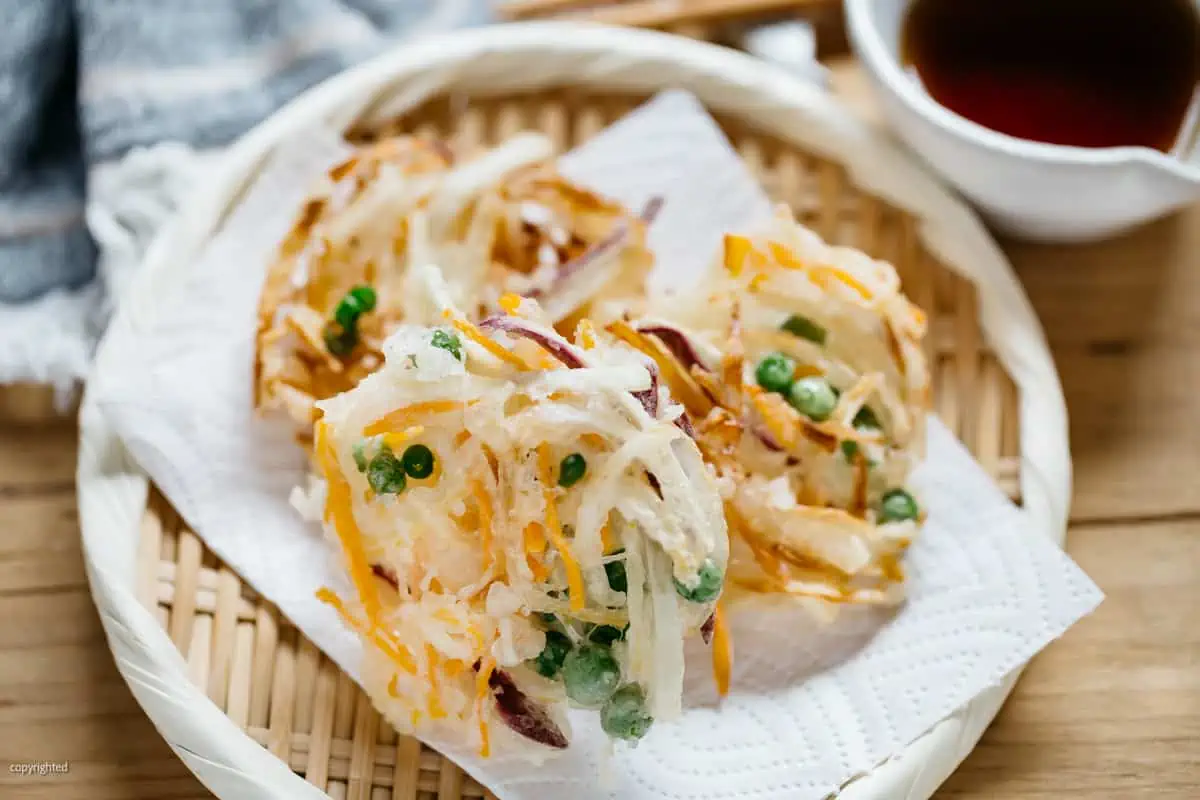
5. Tempura Vegetables: Lightly battered and deep-fried vegetables such as sweet potato, zucchini, or eggplant make an excellent addition to any sushi meal. The crispy tempura coating complements the softness of unagi perfectly.
6. Japanese Green Tea: Complete your dining experience by serving traditional Japanese green tea or roasted green tea (hojicha).
7. Wasabi and Soy Sauce: These are very common condiments for sushi. Wasabi adds a distinctive kick to dishes and offers numerous health benefits.

FAQ
A : Unagi sushi is cooked. While it may appear raw due to its glossy appearance and delicate texture, the eel used in unagi sushi undergoes a meticulous cooking process known as kabayaki. This involves grilling the eel over charcoal and basting it with a sweet soy-based sauce multiple times to enhance its flavor.
A : While unagi and salmon share certain similarities in terms of their texture and appearance, they possess distinct flavors that set them apart. Unagi offers a rich, savory taste with a hint of sweetness, while salmon has a milder flavor profile with slight hints of brininess. The differences in their diets and lifestyles contribute to these contrasting tastes. Thus, it is safe to say that unagi does not taste like salmon.

Unagi Sushi 鰻寿司
Equipment
Ingredients
- 1 frozen eel kabayaki
- 2 cups sushi rice
- 1 tsp grated ginger optional
- ½ tsp roasted sesame seeds optional
- 1 tbsp unagi sauce
Instructions
Preparation
- Cook sushi rice, make kinshi tamago with egg, and cut unagi eel kabayaki to the size of your sushi press mould. *1
Pressing Sushi
- Line your oshibako (wooden mold) with a piece of plastic wrap or parchment paper. This will prevent the rice from sticking to the mold.
- Place a layer of unagi kabayaki fillet skin side up on the bottom of your prepared mold.
- Spread an even layer of sushi rice on top of the unagi kabayaki fillet, pressing it gently to ensure it's firmly packed.
- Lay strips of eggs evenly over the rice layer. Then again spread an even layer of sushi rice.
- Close the ingredients with the plastic wrap then place the drop in wooden lid to compress the sushi ingredients all together.
- Use a sharp knife to slice the sushi and drizzle unagi sauce (eel sauce) to serve.