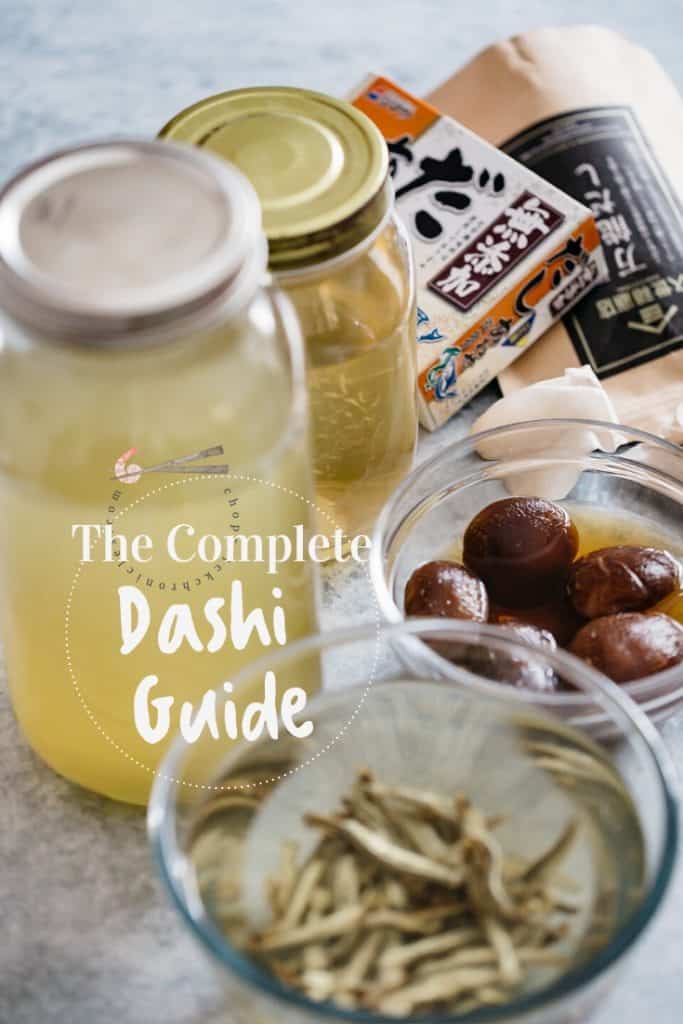
New to Japanese cooking? Dashi plays a fundamental role in Japanese cuisine. It ultimately determines the overall taste of the Japanese dishes. Learn how to prepare dashi broth the right way with me. Mastering Dashi makes cooking Japanese food more fun and definitely more flavourful!

What is Dashi だし?
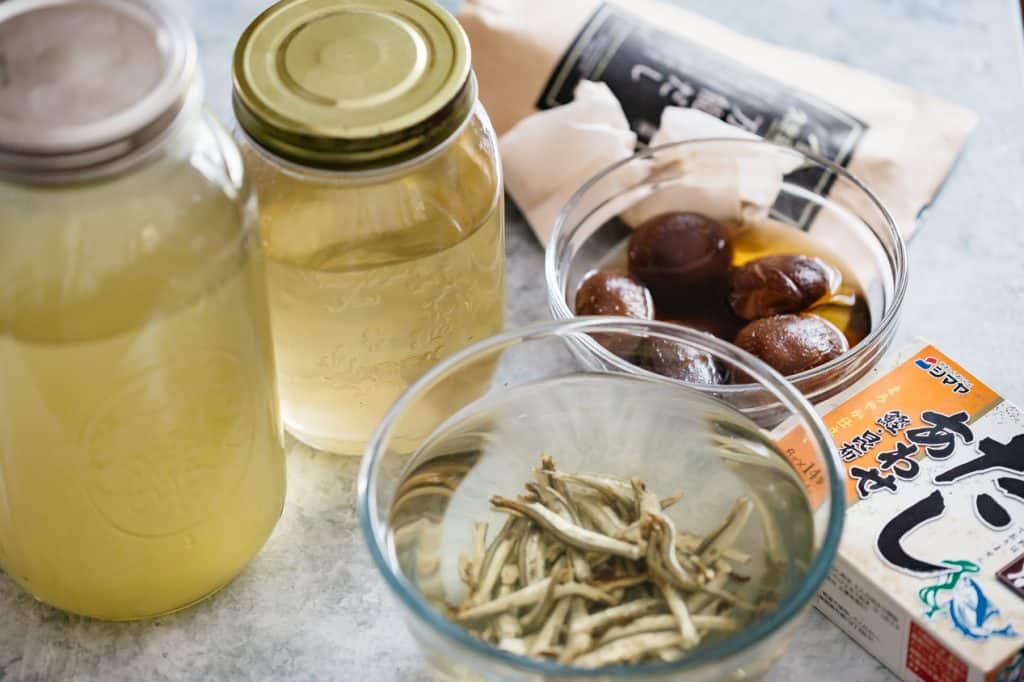
Dashi is Japanese soup stock, or broth which contains extracted Umami components such as amino acids and flavours from Dried bonito fillet(Katsuobushi), kelp(Konbu), dried small fish called(Niboshi), and dried shiitake mushrooms(Hoshi-Shiitake). Dashi’s fundamental role is to supplement the ingredients’ natural Umami flavour to balance the overall taste of Japanese dishes. Thus it determines any Japanese dish’s overall tastiness.
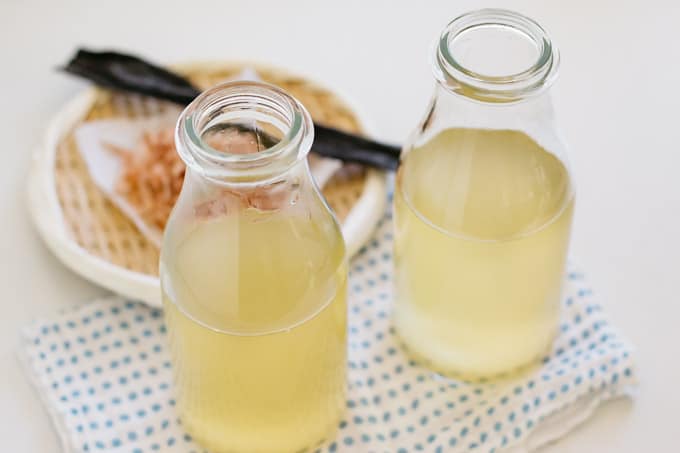
Where Can We Get those Ingredients?
Gathering oriental ingredients is the most challenging part for some of you when many of us don’t live in Japan. If there are Japanese grocery stores or Asian grocery stores near you, they will stock most of the four ingredients. If you can not access those stores, those ingredients are available from online stores such as Amazon.
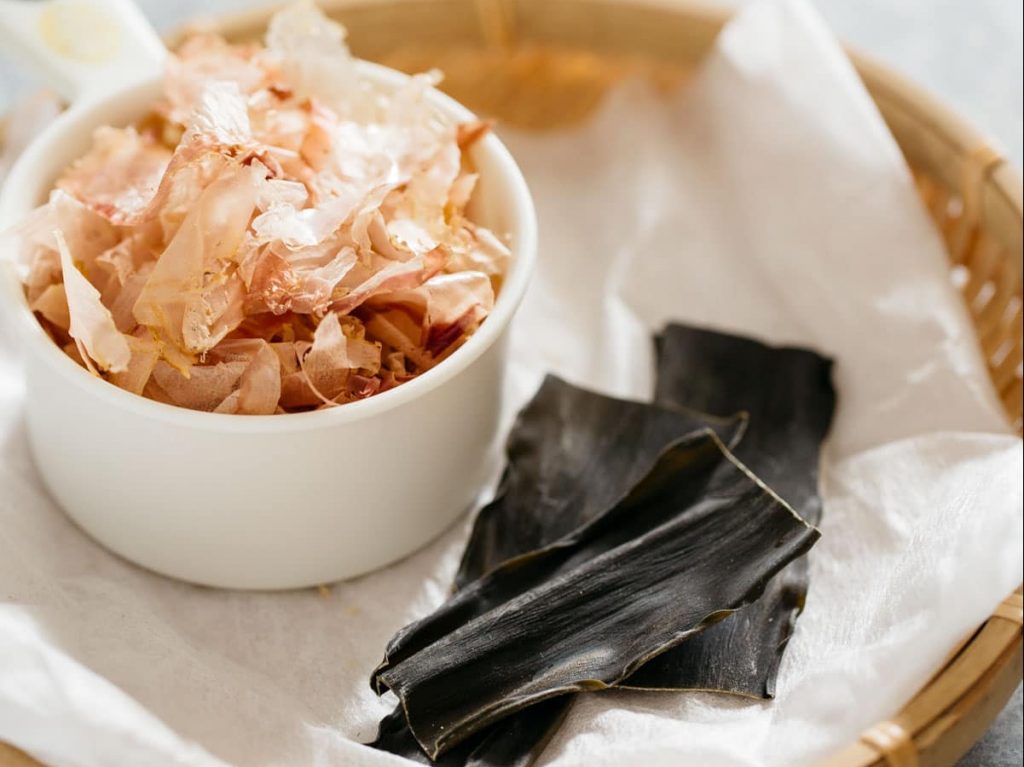
5 Types of Dashi & their use in Cooking
There are five different types which depend on the ingredients used to make them. The three umami components are inosinic acid, glutamic acid and guanylic acid. Dashi made from fish are rich in inosinic acid, Kombu dashi contains glutamic acid, and shiitake dashi is rich in guanylic acid. Therefore, each stock tastes slightly different.
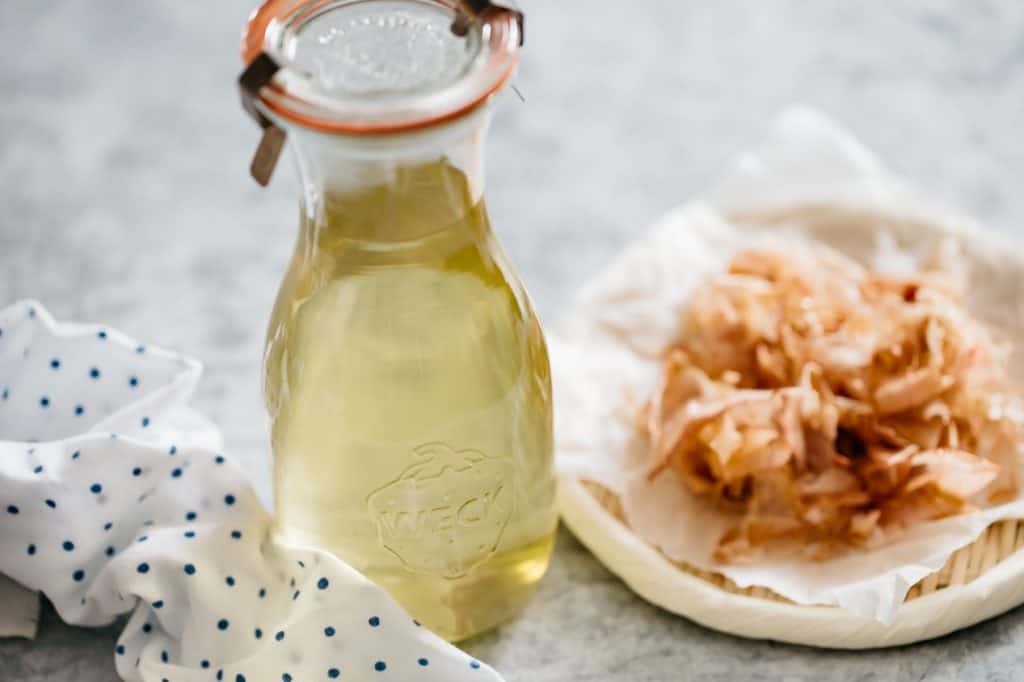
1. Katsuo (bonito)
Katsuo dashi has umami extracted from dried bonito flake. It’s bold flavour suits the following Japanese dishes. Click the subtitle for the recipe details.
- Miso Soup
- Chawanmushi
- Tempura dipping sauce
- simmered vegetables such as Simmered Kabocha pumpkin
- green vegetable ohitashi
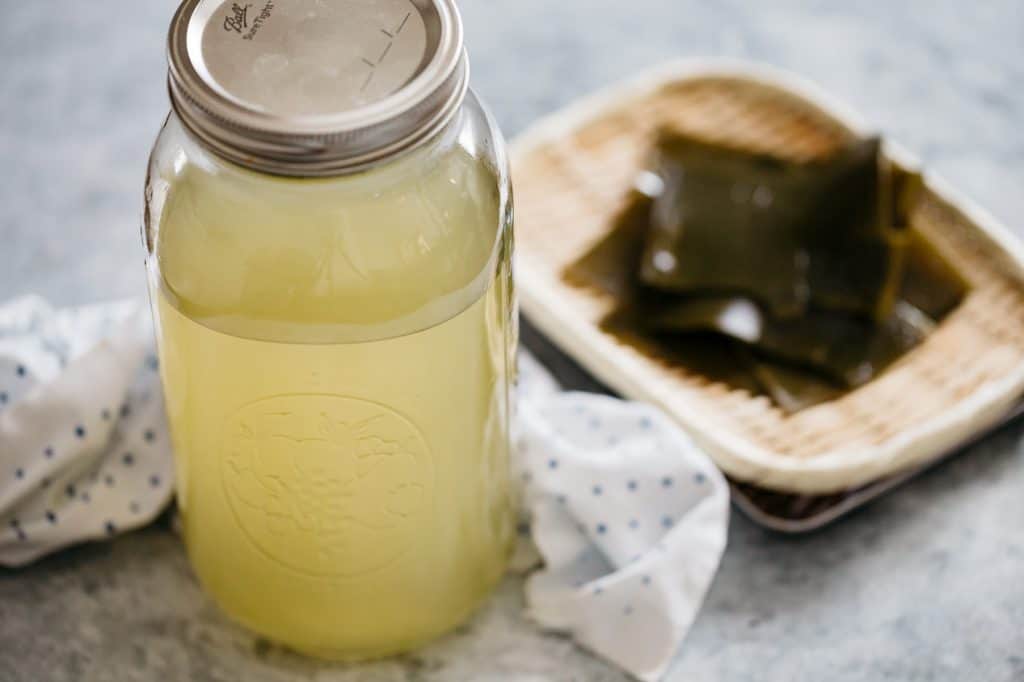
2. Kombu (Dried Kelp)
Kombu dashi is made from dried Kombu Kelp. It’s subtle flavour suits many Japanese dishes. Also this is good for special dietary requirements such as vegetarian and vegan. Click the subtitle for the recipe details.
- Yudofu
- Clear soup
- base for Japanese pot food such as Mizu daki, Shabu Shabu
- Takikomi gohan
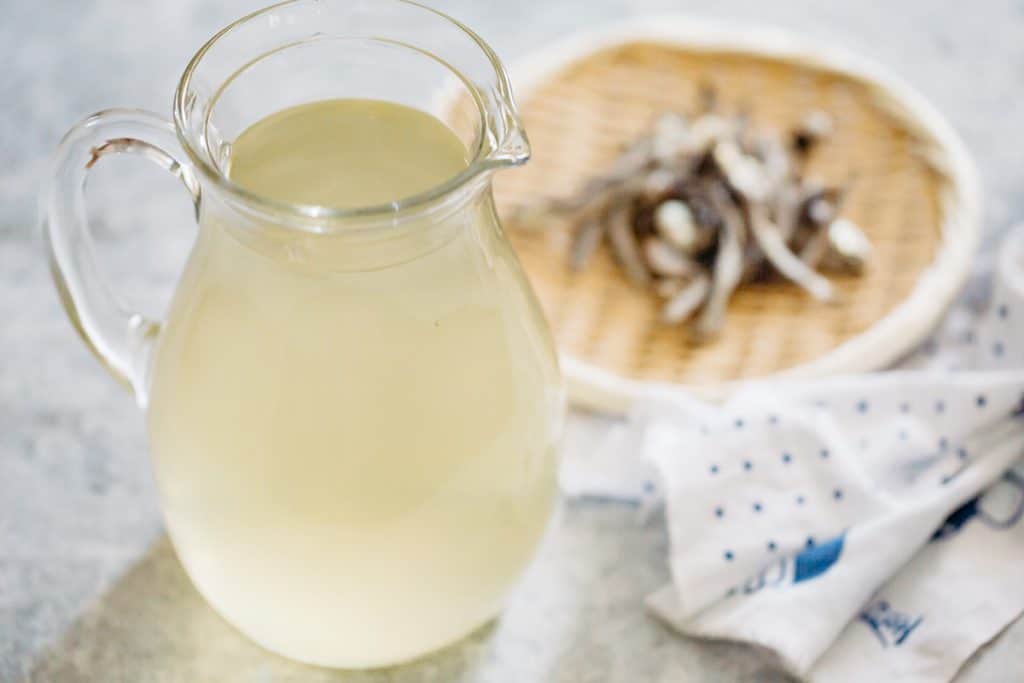
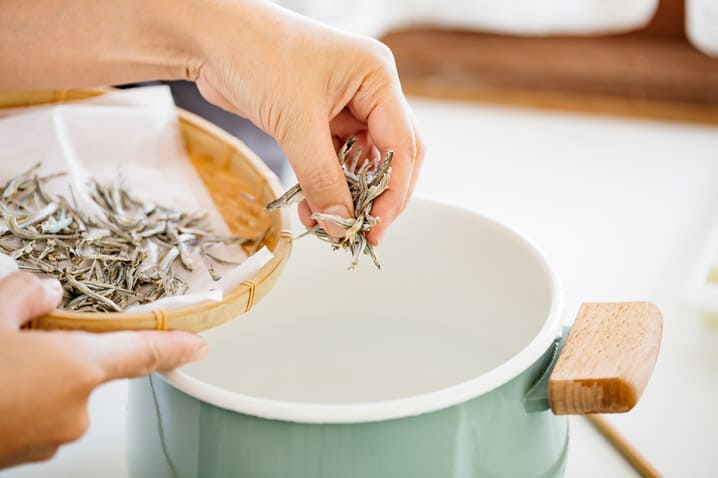
3. Niboshi (dried infant anchovies/sardine)
Niboshi dashi is made from dried infant anchovies/sardines. It has a bold fish flavor and aroma. It is suitable for many noodle soup dishes. Click the subtitle for the recipe details.
- Kakitama jiru
- Udon and Soba noodle soup such as Tempura Udon, Kitsune Udon and Curry Udon
- Oyako Donburi
- simmered vegetable dishes
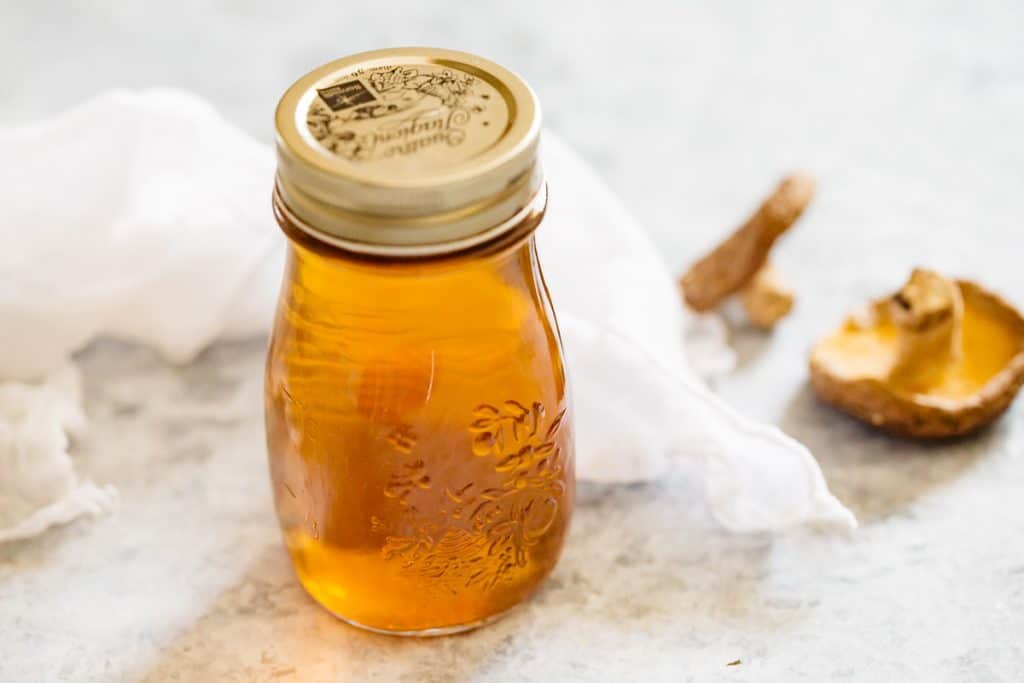
4. Shiitake (dried shiitake mushrooms)
This is my favourite. It is made from dried shiitake mushrooms. I love the beautiful aroma and distinctive flavour of dried shiitake mushrooms. This dashi is also good for special dietary requirement such as vegetarian and vegan. Click the subtitle for the recipe details
- Chilled somen noodle dipping sauce, and topping (both dashi and Shiitake used for the dish)
- Making Makizushi filling (also both dashi and shiitake mushrooms are used)
- Chawanmushi
- Shōjin Ryōri such as shimmered Koya Dōfu
- Iridōfu(scrambled tofu)
- Okara (simmered tofu pulp)
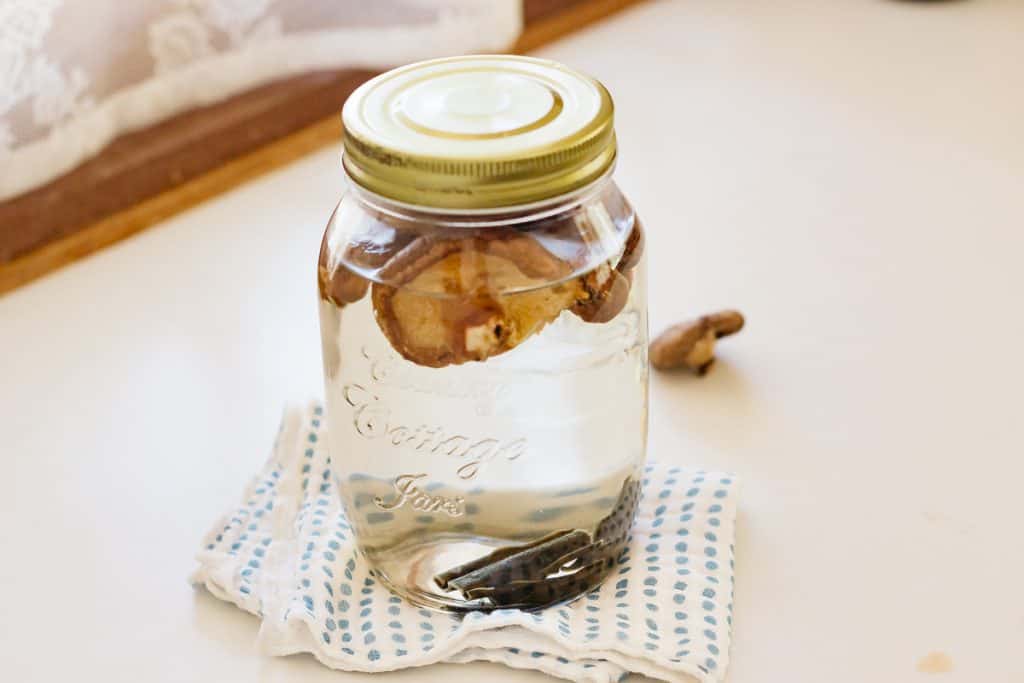
5. Awase(Combined)
Awase dashi is made from combining two of the above ingredients. The common combination is Katsuo(bonito) and Kombu(Kelp). There are more different combinations too. Read more by clicking the links. This is all-rounder dashi therefore used for many different dishes. Some examples follow. Click the subtitle for the recipe details.
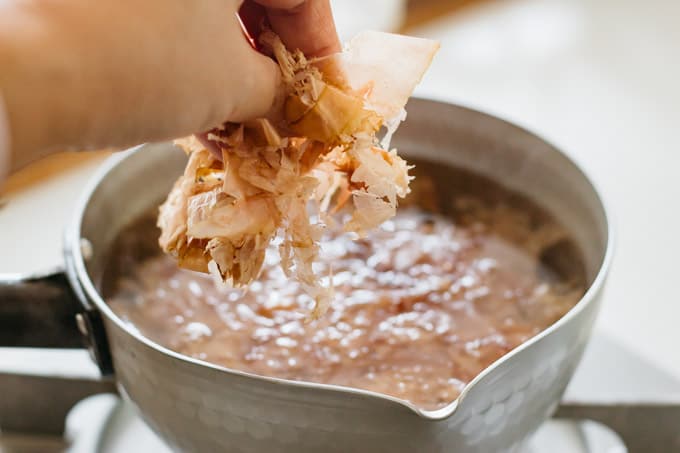
How to Make Each Dashi?
There are two ways to make dashi; making it from scratch and using instant dashi powder.
1. From Scratch
Please read through from the above link. I explained each of them thoroughly, and how to make it with tips to make successfully. Unlike other soup stocks, apart from steeping ingredients in water for a long time, some only take about 20 minutes and you will have beautiful umami flavour rich dashi broth. I highly recommend to make it from scratch.
2. Using Instant Dashi Powder
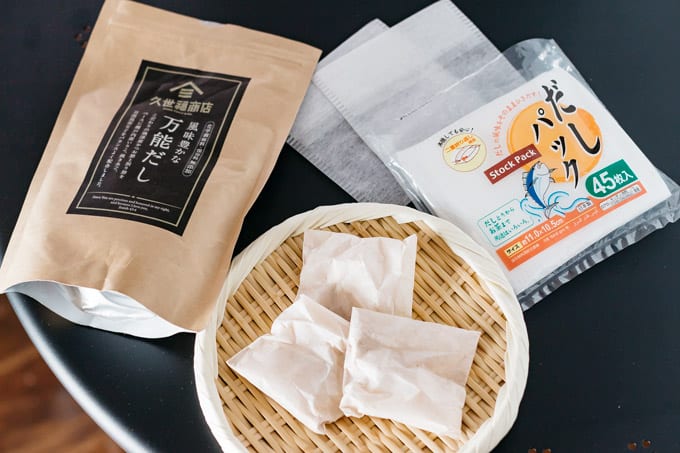
Although Japanese dashi is the heart of many dishes, many Japanese people do not make it from scratch at home but rely on instant dashi powder or granule sachets. If you are still not convinced to make it from scratch, instant powders are also readily available from Japanese grocery stores and also from online shops.
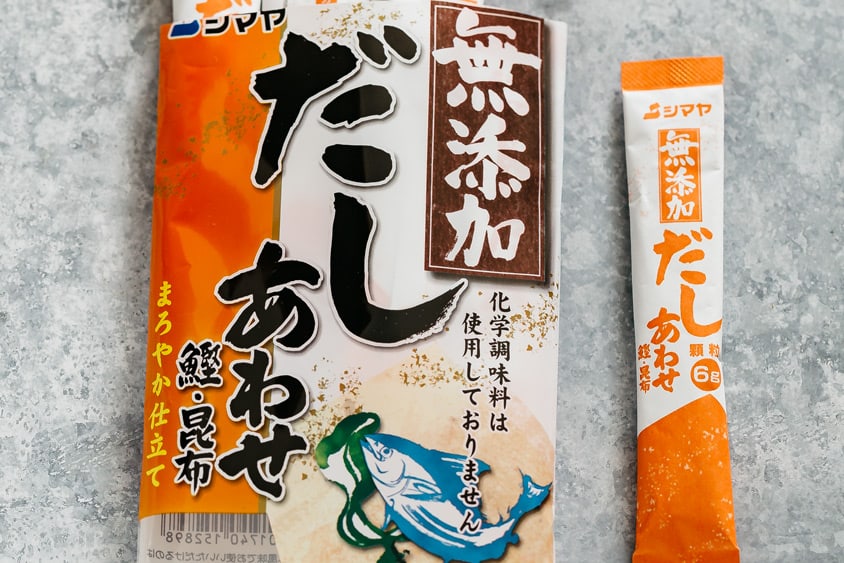
When you purchase those instant powders, choose the ones with no additives. They are marked “無添加(mutenka)” as you can see in the photos which means nothing added. This is another reason that I recommend make your own from scratch. It totally worth your effort and at same time you can be healthy.
How to Store?
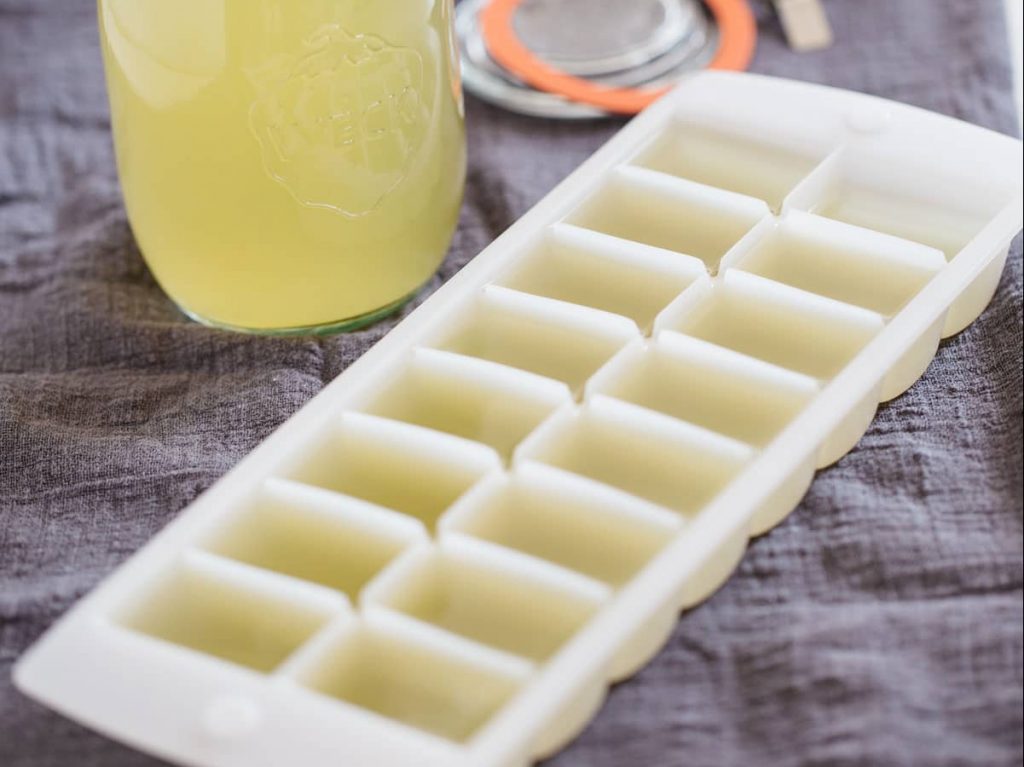
They can be stored in an airtight container or jar in the fridge for a couple of days. It can also be stored in a freezer for about 3 months. Like the first photo, I usually freeze the tray and keep them in a zip lock freezer bag. In this way, it is very convenient to thaw whatever amount I need.
You may also have some leftover bonito flakes in the packet. Once the packet has been opened, bonito flakes keep oxidizing and the bonito flakes’ aroma can evaporate and the colour becomes dark and dull. Once you have opened the packet, they should be sealed and kept in a freezer to retain their flavour.
What to do with Leftover Ingredients?
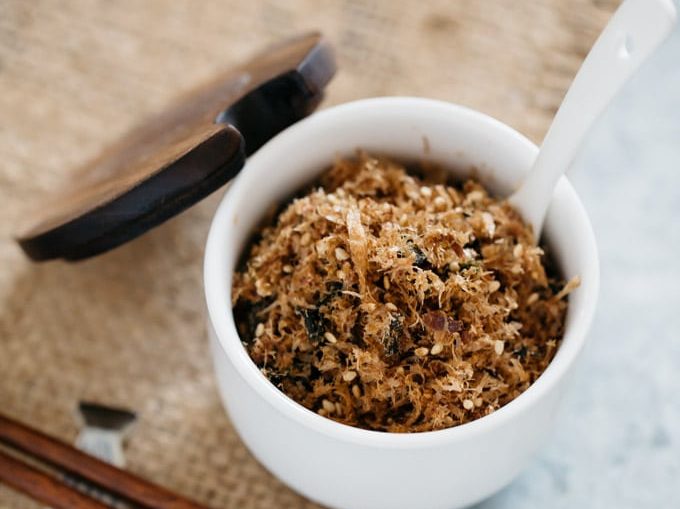
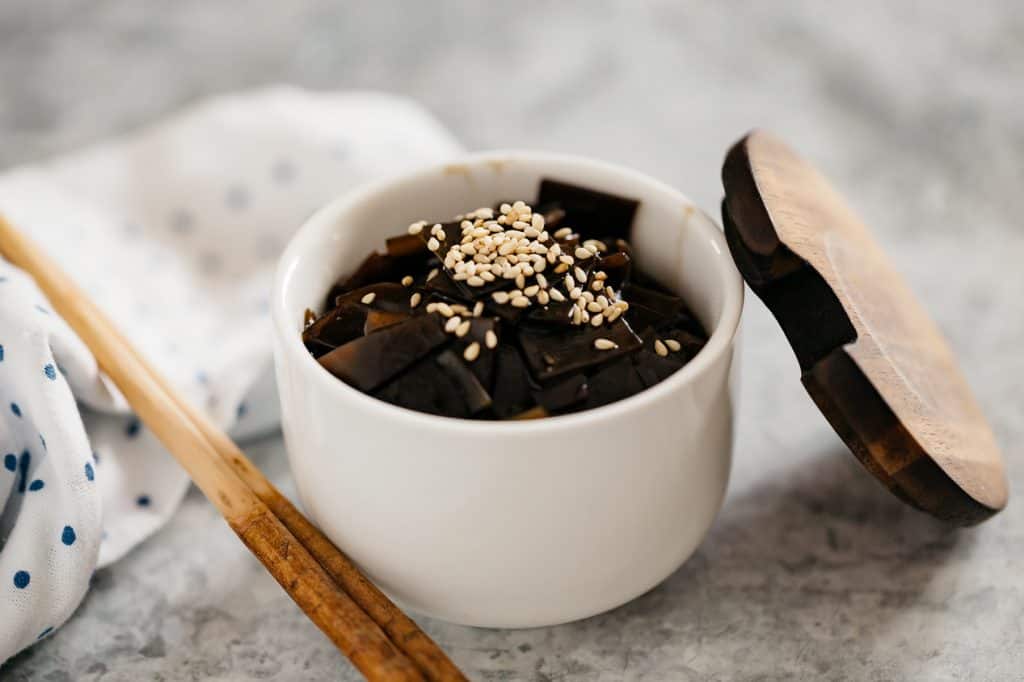
Don’t throw away the leftover ingredients when you are finished making dashi because it can be made into another dish! Kombu can be chopped up finely and used as an ingredient in something like Takikomi gohan (Japanese Mixed Rice), Bonito flakes can be turned into a soft Frikake (rice seasoning/topping) and Niboshi can be used for making Tsukudani (a type of Japanese preserved food).
Useful & Convenient Dashi Bag
My Japanese friends just visited me in Brisbane recently and brought me a Dashi Pack
Stay Connected
If you liked this guide and made some dashi from scratch, please leave comment below
If you like the recipe please rate the recipe and leave comments below. Also don’t forget to follow me on Youtube, Pinterest, Facebook, Twitter and Instagram. This way you keep up to date with all the latest happenings on Chopstick Chronicles. Don’t forget to Sign up for a weekly newsletter so you never miss out on new authentic delicious Japanese recipes!

Easy Overnight Dashi 簡単だし
Ingredients
Kombu kelp & Bonito Easy Overnight Dashi Stock
- 4 cups of water
- 10 x10cm kombu kelp or 15g Kelp
- 2 cups of bonito flakes or 15 g Bonito flakes
Instructions
Easy Overnight Dashi Stock
- Clean the kelp with a well wrung out damp cloth, place the kelp and bonito flakes in a container with water and let it stand overnight in fridge.
- Next morning, Strain the dashi into a large bowl with a sieve lined with a kitchen paper towel.
- Squeeze the dashi stock gently through the kitchen paper towel. *1
- Use it for cooking or store in the fridge. *2
Notes
Nutrition
Chopstick Chronicles is a participant in the Amazon Services LLC Associates Program, an affiliate advertising program designed to provide a means for sites to earn advertising fees by advertising and linking to Amazon.com. As an amazon associate I earn from qualifying purchases.





Hiya Shohiko, I love the fact that you give a scientific reason for the things that happen in my pot (re. your ramen recipe).
I do have a question regarding this dashi recipe; does one use hot or cold water to add to the ingredients?
(I’m going to make it with warm water right now, but for future reference I’d like to know!!)
Thank you so much for your brilliant self and recipes.
HI,
The link to the shiitake mushroom recipe is broken (missing a slash). Great site!
Hi George, Thank you for letting me know.
I made this recipe for my friends last week, and wow! they all loved it 🙂 Thank you
You are welcome. I am glad that you and your friends loves Dashi 😀
Hi! May I know if I like to make dashi stock for chawamushi, how much dashi to water ratio? To boil or just soak in hot water? I’m not sure if I miss out any of the steps. Thank you!
Hi Woo, see https://www.chopstickchronicles.com/how-to-make-dashi-stock/
Thanks for the recipe. I’d like to try this Dashi for my first time making oyakodon. Can you please suggest when to add in the bonito flakes? The recipe doesn’t have instructions for this. Thanks!!
Hi Catherine, Thank you for letting me know. I just fixed the recipe. Thank you!
Bonito usually takes about 3-5 minutes. Put it in when the water is about 90C. When you remove it, don’t press as it’ll bring out the bitterness/sourness. You can heat the water past 90C once the bonito flakes are out. My go to is soak kombu in water overnight, next day, bring the water up to 80C and maintain a couple minutes. Remove the kombo. Rise the temperature. IF you don’t have a thermometer, let the water boil and turn off the heat. Wait about a minute for it to cool then add the bonito flakes. 3-5 minutes later, strain and enjoy.
One of the best tips I’ve seen on this site (it’s ALL good really) was how to use the leftover Kombu or Bonito Flakes. I always felt like it was such a waste after making dashi, now we can have these wonderful topping to have with our rice. It’s something that my dad never showed me.
Very Helpful especially like me who like japanese food and want cook for may family, thank you so much 🥰😘
You are welcome Marlyn 😀
I bought Yamaki Kappo Shiro Dashi (Concentrated). The back of the bottle says to use 1 part of the concentrate to so many parts of water, depending on what you are making. I understand the 1 part is 1 Tablespoon of the concentrate, but it just says, for instance, 1 part to 10 parts for hot noodles. Does that mean 1 Tablespoon to 10 Tablespoons of water to make hot noodles? Because that is not a lot of water. The directions are confusing. I was hoping you could clear this up for me since I have not had any luck finding any information online so far about what 1:10 means as far as the measurement.
Hi Kathie that seems a lot of amount. I usually use about 5g (which is like 1 tsp) for 250ml. Would you be able to take a photo of the instruction and send it to me?
Yes, I sent them to you on Facebook. Thank you so much for helping me!
You are welcome Kathie 😀
Do I save mushrooms I used and how do I use them in other recipes, thanks.
Hi Tala B, you can use the mushrooms used for dashi is recycled to make sushi fillings, miso soup ingredients, somen scrumbled tofu etc. Thank you for asking, when I update this post, I will add links to what you can use them for.
Love this recipe! Thank you! Question: how do I use the leftover ingredients in Takikomi Gohan? Do I just chop them up and throw them in the mix for the rice cooker? Thanks so much for these great recipes!
Hi Rachel, yes just chop them up and throw them in Takikomi gohan 😀
Hi, thank you for the recipe! I’m a half-Asian lady who grew up in Japan and now living in the United States. I’m so glad I discovered your blog. Just reading the recipe brings back the tastes of my childhood. 🙂 I can’t wait to try it!
You are welcome Lena 😀 Now you can cook many Japanese dishes. Happy cooking Japanese dishes 😀
Hi, thank you for the informative article. Can I make a dashi with bonito flakes an shiitake mushrooms together? If I did, would you recommend starting by makibf the mushroom recipe, and then using that broth in place of water when cooking the bonito flakes? Also, how many grams of each should I use for 4 cups?
(These are the 2 ingredients I have on hand).
Thank you
Hi Jennifer, yes you can. You need to make it 4% concentration. So for 4 cups you need 10g of each and yes, make mushroom dashi and use it to extracting bonito umami 😀
I’d like a clarification for ichiban and niban dashi. Is ichiban when you make dashi using ingredients straight from the bag, and niban is dashi that is made with ingredients that you’ve used making ichiban dashi?
If so, would it be advisable to use the twice used, leftover kombu and katsuobushi in other side dishes or recipes after making niban dashi?
Thank you for your very informative post!
Hi Claudia, Yes Niban(the second) dashi is made from the same ingredients used for making ichiban (the first) dashi. It is “Mottainai (What a waste)” if we throw away the ingredients used for ichiban and niban dashi. I and many Japanese often use them to make rice seasonings, or condiments.
I’m confused by the amount of kombu to use. Is it 10 cm x 10 cm after rehydrating it or should I weigh rehydrated kombu? I used a scale to measure 15g of dried kombu straight from the package and it ended up being a TON of kombu after I soaked it overnight – like 4 or 5 times what’s in your picture. Admittedly the miso soup I made from that was REALLY good, but it seems wasteful. How do I get the right amount? I kept the kombu and put more water on to soak again – is that worth doing to keep using it?
Hi Phillip, 10 X 10 before you hydrate it. And like me, don’t like waste? I usually make some condiments from left over. I think i mentioned it in the post but have not shared it on the blog yet. I will do very soon. Thank you for your comment 😀
Hi! I read your recipe and realised you were from brisbane too! I really really want to make Dashi from scratch- you have noooo idea how many recipes I had to push aside because I couldn’t make Dashi mainly because I can’t find Kombu anywhere around brisbane. Is it alright if I ask you where exactly you buy your Kombu from? Because the only seaweed I can find at asian markets are Wakame and I read you can’t really use that for this purpose. I really want to make a load of Japanese dishes! But this is such a major setback. Sorry for troubling you haha!
Hi Min, the Japanese grocery stores I usually go are “Genki Mart” in Alderley and “Fuji Mart” in Buranda Village 264 Ipswich Rd, Woolloongabba 😀 They should have Konbu kelp. Hope this help your Japanese cooking adventure 😀 Happy cooking
I have never tried Dashi, but it looks really delicious! Can’t wait to make this!
Wilhelmina, this is where you get “Umami” from 😀
Wow. This is so informative. I’ve heard of dashi, but I had no idea what it really was. This is a fantastic recipe and write up.
Thank you Jane 😀 you can make your dashi 😀
HAHA! I made all three. I guess we will figure out which we like the most. . I have a picky eater who is fascinated by the Asian cultures, especially Japan. So much so he is willing to try anything Japanese cuisine. I have learned a lot from your blog and advice. Thank you for sharing.
Is this recipe three different types of dashi? Or, do I make all three and combine them into one at the end?
Hi Jennifer, it is for three different type of dashi stocks :D. You don’t combine them all at the end.
wondereful recipe i love it !
thank you!
I live in Québec, Canada and I love your site… BUT even if I do speak and read English pretty well it took me two passes to understand this line: “Add the head and intestine removed dried fish into the water and let it soak for more than 30 minutes”. I suggest Add the prepared dried fish (without head and intestine) into the water…(etc.).
Thanks again,
Hi Nathacha, Thank you so much for your suggestion and patience with my English 😀